
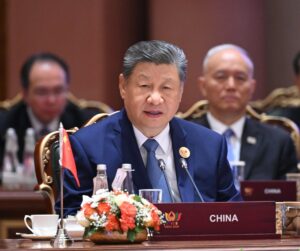






2030-ഓടെ ഉഭയകക്ഷി വ്യാപാരം എട്ടര ലക്ഷം കോടി രൂപയിൽ എത്തിക്കുക എന്ന ലക്ഷ്യത്തോടെ ഡിഫൻസ്, എനർജി, നൂക്ലിയർ ടെക്നോളജി, Critical Minerals എന്നീ മേഖലകളിൽ വൻ പങ്കാളിത്തത്തിനാണ് ഇന്ത്യയും റഷ്യയും ധാരണയായിരിക്കുന്നത്. അത് രാജ്യത്തിന്റെ ഒരു ഡിപ്ലോമാറ്റിക് വിജയമാണ്. കാരണം ഇന്ത്യ റഷ്യൻ എണ്ണ വാങ്ങുമ്പോൾ അവർക്ക് ലഭിക്കുന്ന ഇന്ത്യൻ രൂപ, റഷ്യ ഇന്ത്യയിലെ അടിസ്ഥാന സൗകര്യ വികസനത്തിനും ഇന്ത്യൻ പ്രോഡക്റ്റുകൾ വാങ്ങുന്നതിനും ഉപയോഗിക്കും. ഇത് എണ്ണയ്ക്കായി ചിലവഴിക്കുന്ന ഭീമമായ തുകയുടെ വ്യാപാരകമ്മി കുറയ്ക്കാൻ വഴിയൊരുക്കും. റഷ്യയിലേക്ക് കൂടുതൽ ഇന്ത്യൻ മരുന്നുകൾ, കാർഷിക ഉൽപ്പന്നങ്ങൾ, ഐ.ടി സർവ്വീസുകൾ, എഞ്ചിനീയറിംഗ് പ്രോഡക്റ്റുകൾ എന്നിവ വിതരണം ചെയ്യും. റഷ്യൻ ഈസ്റ്റേൺ തീരത്തുനിന്ന് ചെന്നൈയിലേക്കുള്ള സമുദ്രപാത സുഗമമാക്കുന്നതിലൂടെ ചരക്കുനീക്കത്തിന്റെ ചെലവും സമയവും 40% വരെ കുറയും. എന്നാൽ റഷ്യൻ പ്രസിഡന്റുമായുള്ള ചർച്ചയിലെ ഏറ്റവും തന്ത്രപ്രധാനമായ വിഷയം റഷ്യയുടെ അഞ്ചാം തലമുറ സ്റ്റെൽത്ത് യുദ്ധവിമാനമായ Sukhoi Su-57 Felon ഫൈറ്ററുമായി ബന്ധപ്പെട്ടതാണ്. മുഴുവൻ ടെക്നോളജിയും കൈമാറാം എന്ന ധാരണയോടെ ഇന്ത്യയിൽ Su-57 സ്റ്റെൽത്ത് നിർമ്മിക്കുകയാണെങ്കിൽ ഇന്ത്യയെ സംബന്ധിച്ച് അത് ഗെയിം ചെയ്ഞ്ചറാകും.

ഇന്ത്യ എങ്ങനെയാണ് റഷ്യയെ ഇത്രയധികം ചേർത്തുനിർത്തുന്നത്? അതിന്റെ കാതൽ എന്താണ്?

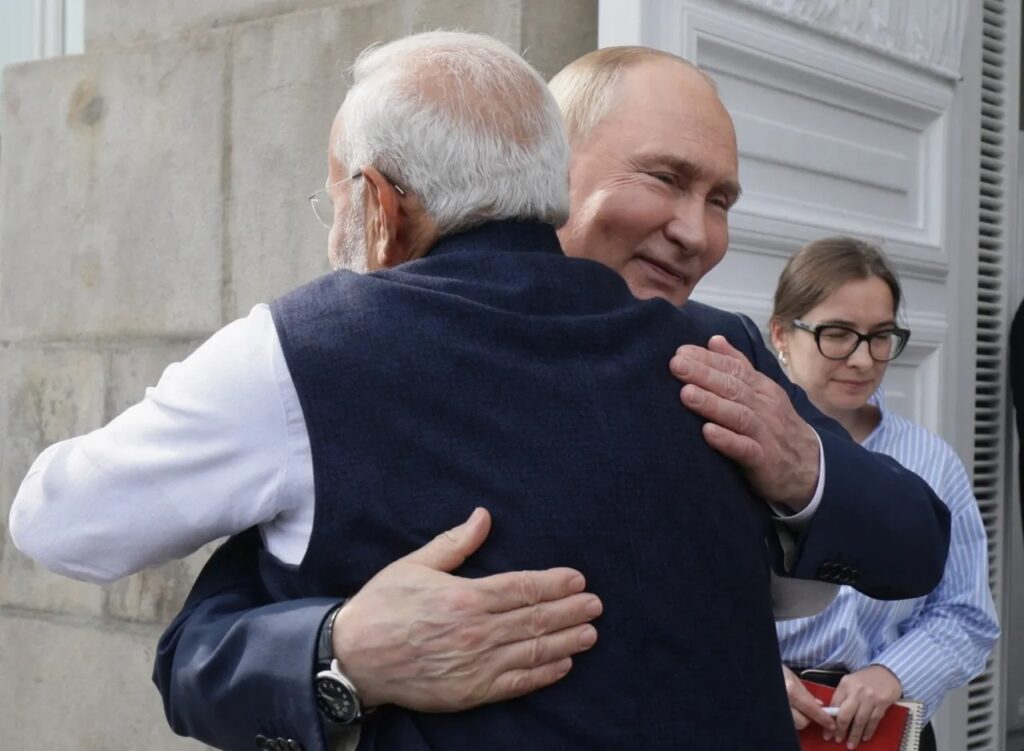
ലോകം റഷ്യയെ ഒറ്റപ്പെടുത്താൻ നോക്കിയ കഴിഞ്ഞ 5 വർഷം, ഇന്ത്യ 15 ലക്ഷം കോടിയാണ് റഷ്യയിലേക്ക് ഒഴുക്കിയത്. വാങ്ങിയത് 300 കോടി ബാരൽ എണ്ണയും. ഒരൊറ്റ വർഷം റഷ്യൻ ജിഡിപിയുടെ 2.5 ശതമാനത്തോളം, ഇന്ത്യ നൽകിയ എണ്ണപ്പണമായിരുന്നു. ഇന്ത്യയുടെ ഗംഭീര വിപണിയും റഷ്യക്കായി തുറന്നിട്ടുകൊടുത്തു.

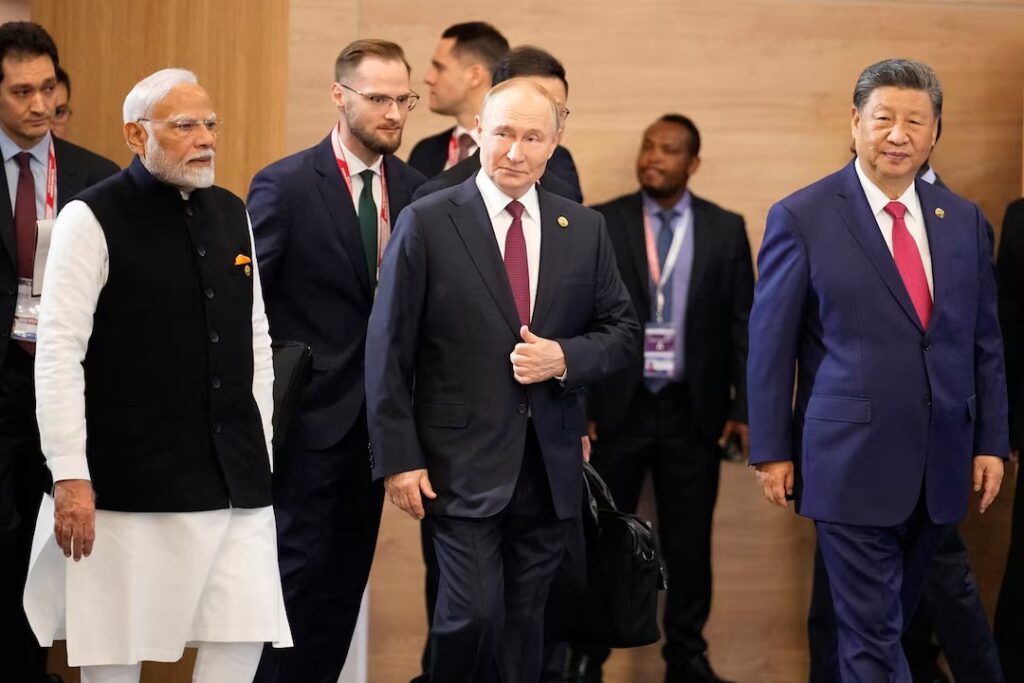
വ്ലാദിമിർ പുടിൻ, ഡൽഹിയിൽ വന്നിറങ്ങിയപ്പോൾ, അത്, രണ്ട് ആഴ്ചകൾക്കുള്ളിൽ മോദിയുമായി നടത്തുന്ന രണ്ടാമത്തെ കൂടിക്കാഴിചയായി. 2014-ന് ശേഷം റഷ്യയും ഇന്ത്യയും തമ്മിലുള്ള ബന്ധം വെറുമൊരു “ആയുധം വാങ്ങൽ-വിൽക്കൽ” ബന്ധത്തിൽ നിന്ന് മാറി ‘സ്പെഷ്യൽ ആൻഡ് പ്രിവിലേജ്ഡ് സ്ട്രാറ്റജിക് പാർട്ണർഷിപ്പ്’ എന്ന പരമോന്നത തലത്തിലേക്ക് വളർന്നു.റഷ്യയെ സാമ്പത്തികമായി താങ്ങി നിർത്തുന്ന ശക്തിയാണ് ഇന്ത്യ ഇന്ന്. അതുകൊണ്ട് തന്നെ പുടിനെ, ഇന്ത്യയുടെ സ്ട്രാറ്റജിക്കായ ചില ആവശ്യങ്ങൾക്കായി നമ്മൾ കൂടുതൽ അടുപ്പിച്ചു.


സ്വാതന്ത്ര്യം കഴിഞ്ഞുള്ള അരനൂറ്റാണ്ട് കാലം ഇന്ത്യയും റഷ്യയും തമ്മിൽ കൂടുതൽ പൊളിറ്റിക്കലായുള്ള ബന്ധമായിരുന്നു. അമേരിക്കയോട് അടുക്കാതെ സോവിയറ്റ് ലൈനിൽ ഇന്ത്യ നടന്നിരുന്ന കാലം. അന്ന്, ഇന്ത്യ പിച്ചവെക്കുന്ന സമയമാണ്. വ്യവസായം കെട്ടിപ്പടുക്കാനും, ബഹിരാകാശ ഗവേഷണങ്ങളിലും, സൈനിക സന്നാഹങ്ങൾക്കും ഒക്കെ സോവിയറ്റ് യൂണിയൻ ഇന്ത്യയെ പിന്തുണച്ചിരുന്നു. ഇന്ത്യ ആദ്യം സാറ്റലൈറ്റ് വിട്ടത് അവരുടെ ടെക്നോളജിയിലാണ്. ഭിലായിലെ സ്റ്റീൽ പ്ലാന്റ് അവര് കെട്ടിത്തന്നതാണ്. അമേരിക്കയുടെ ഏഴാം കപ്പൽപടയെ ഓടിച്ചത് റഷ്യയുടെ അന്തർവാഹിനിയുടെ കരുത്തിലാണ്.അന്ന് ഇന്ത്യയുടെ സൈനിക ആവശ്യങ്ങളുടെ 80%-വും റഷ്യയുടെ ദാനമായിരുന്നു. ഇന്ന് ഒരു ടേബിളിന്റെ ഇരുവശമിരുന്ന് ബിസിനസ്സ് സംസാരിക്കുന്നു. എല്ലാവരും അവരെ ഒറ്റപ്പെടുത്തിയപ്പോൾ, സ്വന്തം കറൻസിയിൽ എണ്ണ വാങ്ങി ഇന്ത്യ റഷ്യയയെ താങ്ങി നിർത്തുന്നു. ഇപ്പോൾ അഞ്ചാം തലമുറ യുദ്ധവിമാനം നെഗോഷിയേറ്റ് ചെയ്യവേ, ടെക്നോളജി ട്രാൻസ്ഫർ ഉൾപ്പെടെ ആവശ്യപ്പെടാനും നിർമ്മാണം ഇന്ത്യയിലാക്കാനും പറ്റുന്ന തരത്തിൽ വിലപേശാൻ കഴിയുന്നു.

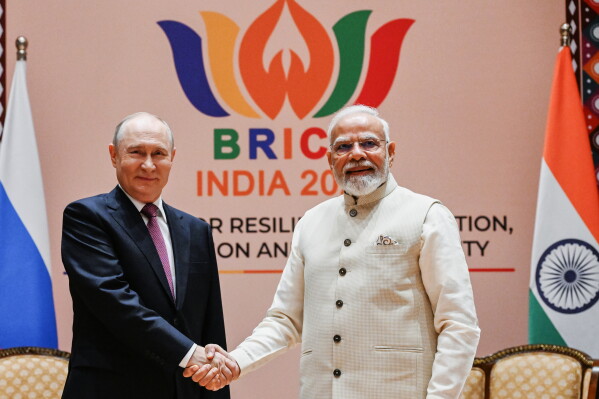
ഹൈലെവൽ ഡിപ്ലോമസിയിൽ ഒരു ലീഡർ മീറ്റ് പ്രിപ്പയർ ചെയ്യുന്നതിന് പിന്നിൽ മാസങ്ങളുടെ പ്രയത്നമുണ്ട്. മാസങ്ങൾക്ക് മുൻപേ രണ്ട് രാജ്യങ്ങളിലെയും സുരക്ഷാ വിദേശകാര്യ ഉദ്യോഗസ്ഥർ നൂറുകണക്കിന് മണിക്കൂറുകൾ ചർച്ച നടത്തി ഓരോ വാക്കുകളും വാചകങ്ങളും അന്തിമമാക്കിയ ശേഷമാണ് പ്രധാനമന്ത്രിക്കും പ്രസിഡന്റിനും മുന്നിലേക്ക് ഫയലുകൾ എത്തുന്നത്. ഈ പ്രിപ്പറേഷനുകളുടെ പരിസമാപ്തിയാണ് ഫൈനൽ സ്റ്റേജിൽ മോദി – പുടിൻ സമ്മിറ്റ് മീറ്റിംഗും കരാർ ഒപ്പുവെക്കലും.Did you notice the chemistry between Putin and Modi in Delhi? Unlike the usual official format where two heads of state sit across a formal desk, theirs is completely different. When Putin set aside protocols in Sochi to personally pick up Modi from the runway, or when he welcomed Modi with a warm embrace at his residence in Moscow, it wasn’t just a handshake—it was a deep brotherhood. Because, even if not widely discussed, the ‘oxygen’ India has provided to Russia over the last 3-4 years is significant! Over the past five years, as the world tried to isolate Russia, India funneled ₹15 lakh crore ($15 trillion INR) into Russia and purchased 3 billion barrels of oil.

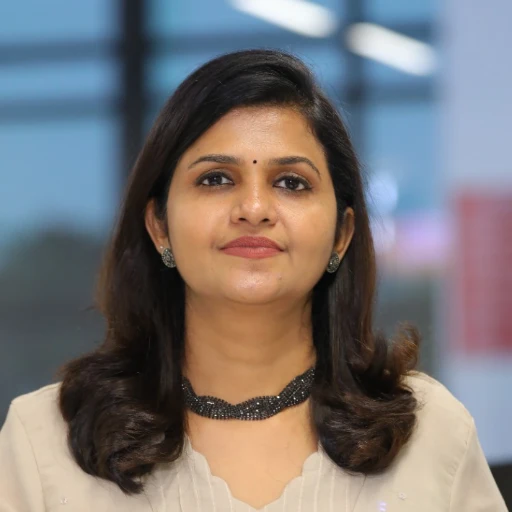
channeliam.com was founded by Nisha Krishnan, a journalist, media entrepreneur, and one of the pioneering voices in India’s digital startup journalism ecosystem. Through Channeliam, she built one of India’s earliest digital media platforms dedicated exclusively to startups, entrepreneurship, innovation, technology, and business transformation, creating a strong bridge between emerging entrepreneurs, investors, industries, and the larger public.
With more than two decades of experience in journalism and media leadership, Nisha Krishnan has consistently used storytelling as a powerful tool for social and economic impact. Her work has not only amplified the voices of startups and innovators from Kerala and across India but has also contributed to shaping public conversations around entrepreneurship, women-led enterprises, and the future economy.
Her contributions received international recognition when she was selected by the United States Department of State for the prestigious International Visitor Leadership Program (IVLP), one of the U.S. government’s premier professional exchange initiatives for global leaders. As part of this engagement, she participated in the Alumni Thematic International Exchange Seminar (TIES) held in Almaty, bringing together international changemakers, policy thinkers, and social impact leaders.
Inspired by the global exposure, policy discussions, and collaborative learning experiences from the international exchange programme, Nisha Krishnan conceptualised and launched “She Power” — a transformative initiative aimed at empowering women entrepreneurs, women in technology, startups, and aspiring women leaders in India.
She Power 1.0 and She Power 2.0 were implemented during 2020 and 2021 with the support of a grant facilitated through the U.S. State Department exchange initiative. Under her leadership, the project evolved into a multi-dimensional empowerment platform featuring workshops, startup mentoring sessions, training programmes, leadership interactions, summits, networking forums, hackathons, and entrepreneurship development activities designed specifically for women.
Through She Power, Nisha Krishnan created meaningful opportunities for women to access knowledge, mentorship, visibility, and entrepreneurial ecosystems at a time when women-led enterprises were navigating major social and economic challenges. The initiative reflected her larger vision of journalism – not merely as reporting but as a catalyst for empowerment, innovation, and inclusive growth.
Today, Nisha Krishnan continues to stand as a respected media founder, journalist, and ecosystem enabler whose work connects storytelling with nation-building, entrepreneurship with social impact, and media with meaningful transformation.


