

കഴിഞ്ഞ ദിവസം ലോകത്തെ ഏറ്റവും വലിയ പെട്രോളിയം ഗ്യാസ് ഹബ്ബുകളിലൊന്നായ ഖത്തറിലെ ഗ്യാസ് ഫീൽഡുകളിൽ ഇറാൻ ആക്രമിക്കുമ്പോൾ ലോകരാജ്യങ്ങളുടെ മുഴുവൻ പ്രകൃതി വാതക ശൃംഖലയെയയാണ് അത് ഗുരുതരമായി ബാധിക്കുന്നത്. പ്രത്യേകിച്ച് ആഭ്യന്തര ആവശ്യത്തിന്റെ പകുതിയോളം ഇറക്കുമതി ചെയ്യുന്ന ഇന്ത്യ പോലെ ഒരു രാജ്യത്തെ. ഇന്ത്യ ഇറക്കുമതി ചെയ്യുന്ന പ്രകൃതി വാതകത്തിന്റെ 20 ശതമാനത്തോളം ഖത്തറിൽ നിന്നാണ്. ഇന്ന് 189 മില്യൺ മെട്രിക് ക്യുബിക് മീറ്റർ പ്രകൃതി വാതകം പ്രതി ദിനം നമുക്ക് ആവശ്യമുണ്ട്. ഒരു രാജ്യത്തെ പ്രത്യേകമായി ആശ്രയിക്കാതെ പലസോഴ്സുകളിൽ നിന്ന് LNG-യും ക്രൂഡ് ഓയിലും ഇന്ത്യ ഇറക്കുമതി ചെയ്യുന്നുണ്ടെങ്കിലും ഇപ്പോഴത്തെ യുദ്ധം ഇതുപോലെ തുടർന്നാൽ അത് നമുക്ക് അൽപം റിസ്ക്ക് തന്നെയാണ്.
ഓരോരോ മേഖലകളേയും പ്രത്യേകം എടുത്ത് എനർജി റിക്വയർമെന്റ് പഠിച്ച്, വിപുലവും വിശാലവുമായ എനർജി പ്ലാനിംഗ് ഇന്ത്യ നടത്താൻ തുടങ്ങിയിട്ട് 10-12 വർഷങ്ങളാകുന്നു. അതിന്റെ പ്രതിഫലനവും റിസൾട്ടും നമുക്ക് വന്ന് തുടങ്ങിക്കഴിഞ്ഞു. പണ്ട് പദ്ധതികൾ പലതും പ്രഖ്യാപിക്കുന്നതും പാതി വഴിയിൽ നിശ്ചമാകുന്നതും ഇന്ത്യക്കാർ നിരവധി കണ്ടിട്ടുണ്ട്. എന്നാൽ ഇന്ന് തീരുമാനങ്ങൾ, ലൈറ്റിനിംഗ് വേഗതയിൽ പൂർത്തിയാവുകയും റിസൾട്ട് എടുക്കുകയും ചെയ്യുന്നത് ഇന്ത്യ കണ്ടുകൊണ്ടിരിക്കുന്നു. അതിന്റെ ആദ്യ സ്ഫുരണമായിരുന്നു, കഴിഞ്ഞ 10 വർഷം കൊണ്ട് 40,000 കിലോമീറ്ററിലധികം റെയിൽവേ പാതകൾ നമ്മൾ വൈദ്യുതീകരിച്ചത്. അതായത്, ലോകത്തിന്റെ ചുറ്റളവിനേക്കാൾ കൂടുതൽ ദൂരം ഇന്ത്യ്ക്ക് ഇലക്ട്രിഫൈ ചെയ്ത റെയിൽ പാതകളുണ്ട് എന്ന് അർത്ഥം! ഇന്ന് നമ്മുടെ ബ്രോഡ് ഗേജ് റെയിൽവേ 95 ശതമാനത്തിലധികം ഇലക്ട്രിക് ആണ്. യൂറോപ്പും അമേരിക്കയും പോലും സ്വപ്നം കാണുന്ന വേഗതയിലായിരുന്നു ഈ മാറ്റം. ഡിസൽ എഞ്ചിനുകളിൽ നിന്ന് ഇലക്ട്രിക് എഞ്ചിനുകളിലേക്ക് മാറിയതോടെ 15,000 കോടി രൂപയുടെ ഡീസൽ ഇറക്കുമതിയാണ് രാജ്യം പ്രതിവർഷം ലാഭിക്കുന്നത്. എണ്ണ ഇറക്കുമതി ചെയ്യുന്ന രാജ്യം എന്ന നിലയിൽ നിന്ന് ഊർജ്ജം ഉത്പാദിപ്പിക്കുന്ന രാജ്യം എന്ന നിലയിലേക്കുള്ള ഭാരതത്തിന്റെ ആദ്യത്തെ ‘ഹീറോയിക് മൂവ്’ ആയിരുന്നു ഇത്.
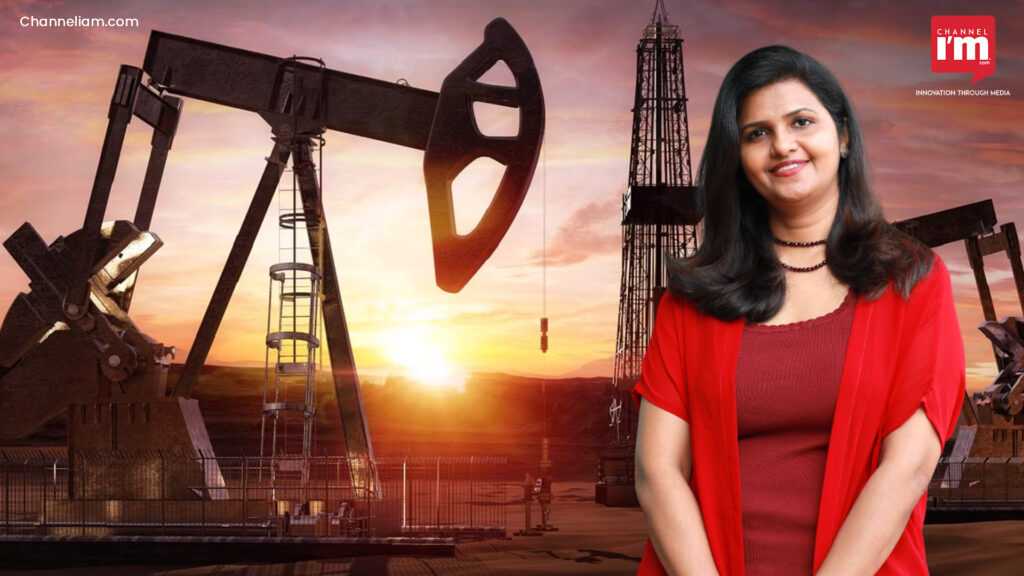
അസംസ്കൃത എണ്ണയുടെ ഇറക്കുമതിയും ഇന്ത്യയുടെ സാമ്പത്തിക വളർച്ചയും തമ്മിലുള്ള ബന്ധം അത്ര നിർണ്ണായകമാണ്. ആവശ്യമുള്ള ക്രൂഡ് ഓയിലിന്റെ ഏകദേശം 85 ശതമാനവും നമ്മൾ ഇറക്കുമതി ചെയ്യുന്നതാണ്. ഒറ്റനോട്ടത്തിൽ ഇതൊരു ബലഹീനതയായി തോന്നാം. ഒരു വികസിത സമ്പദ്വ്യവസ്ഥയാകാൻ ആഗ്രഹിക്കുന്ന ഒരു രാജ്യം അതിന്റെ ഏറ്റവും നിർണ്ണായകമായ ഊർജ്ജ ആവശ്യത്തിനായി വിദേശ സ്രോതസ്സുകളെ ആശ്രയിക്കുന്നത് ഒരു പ്രധാന ചോദ്യം ഉയർത്തുന്നു: അസംസ്കൃത എണ്ണ ഇറക്കുമതി ഇന്ത്യയുടെ സ്വപ്നങ്ങളുടെ വേഗത കുറയ്ക്കുന്നുണ്ടോ? കഴിഞ്ഞ രണ്ട് പതിറ്റാണ്ടുകളായി ഇന്ത്യ അതിവേഗത്തിലുള്ള വ്യവസായവൽക്കരണത്തിനും നഗരവൽക്കരണത്തിനും സാക്ഷ്യം വഹിക്കുകയാണ്. ദശലക്ഷക്കണക്കിന് വാഹനങ്ങൾ നിരത്തിലിറങ്ങി. ലോജിസ്റ്റിക് നെറ്റ്വർക്കുകൾ രാജ്യമെമ്പാടും വ്യാപിച്ചു. ഏവിയേഷൻ, കൺസ്ട്രക്ഷൻ, കൃഷി, സർവ്വീസ് സെക്ടർ എന്നിവയെല്ലാം ഊർജ്ജത്തിനായി വലിയതോതിൽ എണ്ണയെ ആശ്രയിക്കുന്നു.
എന്നാൽ ഇന്ത്യയുടെ എണ്ണ ആവശ്യകതയുടെ 15% മാത്രമാണ് ആഭ്യന്തരമായി ഉൽപ്പാദിപ്പിക്കുന്നത്. ബാക്കിയുള്ളവ ഇറക്കുമതി ചെയ്യണം. പലപ്പോഴും ആഭ്യന്തരമായി എണ്ണ ഖനനം ചെയ്യുന്നതിനേക്കാൾ സാമ്പത്തികമായി ലാഭകരമായത് ഇറക്കുമതി ചെയ്യുന്നതാണ്.
പക്ഷെ ക്രൂഡ് ഓയിലുമായി ബന്ധപ്പെട്ട ഊർജ്ജ ആശ്രിതത്വത്തിന് സാമ്പത്തിക ബാധ്യത വളരെ വലുതാണ്. വർഷം തോറും ഏകദേശം 120 മുതൽ 160 ബില്യൺ ഡോളർ വരെയാണ് ഇന്ത്യ എണ്ണ ഇറക്കുമതിക്കായി ചിലവഴിക്കുന്നത്. അതായത് 15 ലക്ഷം കോടി! ആഗോള വിപണിയിൽ വില കൂടുമ്പോൾ ഈ ബാധ്യത 80-100 ബില്യൺ ഡോളർ കൂടി വർദ്ധിച്ചേക്കാം. ഇത് രാജ്യത്തിന്റെ സാമ്പത്തിക സ്ഥിരതയെ നേരിട്ട് ബാധിക്കുകയാണ്. ഈ ഓയിൽ ഡിപ്പെൻഡൻസി കാരണമാണ് ഡോളറിന് ഡിമാന്റ് കൂടുമ്പോൾ രൂപയുടെ മൂല്യം ഇടിയുന്നത്.
കഴിഞ്ഞ ഒരു പതിറ്റാണ്ടായി നാം തന്ത്രപരമായ ചില മാറ്റങ്ങൾ വരുത്തിക്കൊണ്ടിരിക്കുന്നു. അതാണ് നേരത്തെ പറഞ്ഞപോലെ- ഡീസലിനെ ആശ്രയിച്ചിരുന്ന റെയിൽവേ ഇപ്പോൾ ഏതാണ്ട് പൂർണ്ണമായും വൈദ്യുതീകരിക്കപ്പെട്ടു. ഇരുചക്ര വാഹനങ്ങളിലും പൊതുഗതാഗതത്തിലും ഇലക്ട്രിക് വാഹനങ്ങൾ വഴി വിപ്ലവം വന്നിരിക്കുന്നു. സൗരോർജ്ജം, കാറ്റാടി ഊർജ്ജം എന്നിവയുടെ ശേഷി വൻതോതിൽ വർദ്ധിപ്പിക്കുന്നു. ഭാവിയിൽ വൻകിട വ്യവസായങ്ങളിലും ദീർഘദൂര ഗതാഗതത്തിലും ഫോസിൽ ഇന്ധനങ്ങൾക്ക് പകരമായി ഗ്രീൻ ഹൈഡ്രജൻ ഉപയോഗിക്കാൻ ഇന്ത്യ നിക്ഷേപം നടത്തുന്നു.
പ്രതിസന്ധികൾ വരുമ്പോൾ തളരുന്നതല്ല, അവയെ അവസരങ്ങളാക്കി മാറ്റുന്നതാണ് നമ്മുടെ ചരിത്രം. ഇറക്കുമതി ചെയ്യുന്ന എണ്ണയിൽ നിന്ന്, സ്വന്തമായി ഊർജ്ജം നിർമ്മിച്ച് കയറ്റുമതി ചെയ്യുന്നതിലേക്ക് നമ്മൾ നടന്നു കയറുകയാണ്. ലോകചരിത്രത്തിലെ ഏറ്റവും വലിയ ‘ട്രാൻസ്ഫോർമേഷൻ ആയിരിക്കും അത്. കാരണം ക്രൂഡ് ഓയില് മാത്രമാണ് ലോകത്തിന്റെ അവസാനം വരെ ജീവന് ആധാരമായ ഊർജ്ജമെന്ന് ആരും പ്രതിജ്ഞ ഒന്നും എടുത്തിട്ടില്ലല്ലോ. ആ തിരിച്ചറിവ് ആദ്യം വന്നത് യുഎഇ ഉൾപ്പെടയുള്ള ഗൾഫ് രാഷ്ട്രങ്ങൾക്ക് തന്നെയാണ്. അതുകൊണ്ടാണ് പെട്രോഡോളറിൽ നിന്ന് പുതിയ വരുമാന മാർഗ്ഗങ്ങളിലേക്ക് അവർ അതിവേഗം തിരിയുന്നത്. ആ അവസരത്തെയാണ് ഇന്ത്യ ഇനി ഉപയോഗിക്കാൻ പോകുന്നതും. കാരണം ഊർജ്ജത്തിനായി വിദേശ രാജ്യങ്ങളെ ആശ്രയിക്കാത്ത ഒരു ‘എനർജി സോവറിൻ’ രാഷ്ട്രമായി മാറുക എന്നതാണ് നമ്മുടെ ലക്ഷ്യം.
India imports nearly 85% of its crude oil requirements, which may appear to be a strategic vulnerability at first glance. Over the past two decades, the country has experienced rapid industrialization and urbanization, with a significant rise in vehicle usage and the expansion of logistics networks nationwide. Key sectors such as aviation, construction, agriculture, and services remain heavily dependent on oil for their energy needs. However, India is actively exploring and implementing a diversified energy strategy beyond oil, aiming to reduce dependence on the Gulf and ensure long-term energy security.
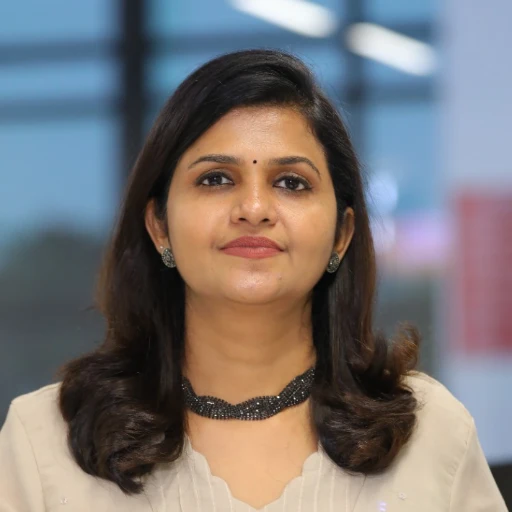
channeliam.com was founded by Nisha Krishnan, a journalist, media entrepreneur, and one of the pioneering voices in India’s digital startup journalism ecosystem. Through Channeliam, she built one of India’s earliest digital media platforms dedicated exclusively to startups, entrepreneurship, innovation, technology, and business transformation, creating a strong bridge between emerging entrepreneurs, investors, industries, and the larger public.
With more than two decades of experience in journalism and media leadership, Nisha Krishnan has consistently used storytelling as a powerful tool for social and economic impact. Her work has not only amplified the voices of startups and innovators from Kerala and across India but has also contributed to shaping public conversations around entrepreneurship, women-led enterprises, and the future economy.
Her contributions received international recognition when she was selected by the United States Department of State for the prestigious International Visitor Leadership Program (IVLP), one of the U.S. government’s premier professional exchange initiatives for global leaders. As part of this engagement, she participated in the Alumni Thematic International Exchange Seminar (TIES) held in Almaty, bringing together international changemakers, policy thinkers, and social impact leaders.
Inspired by the global exposure, policy discussions, and collaborative learning experiences from the international exchange programme, Nisha Krishnan conceptualised and launched “She Power” — a transformative initiative aimed at empowering women entrepreneurs, women in technology, startups, and aspiring women leaders in India.
She Power 1.0 and She Power 2.0 were implemented during 2020 and 2021 with the support of a grant facilitated through the U.S. State Department exchange initiative. Under her leadership, the project evolved into a multi-dimensional empowerment platform featuring workshops, startup mentoring sessions, training programmes, leadership interactions, summits, networking forums, hackathons, and entrepreneurship development activities designed specifically for women.
Through She Power, Nisha Krishnan created meaningful opportunities for women to access knowledge, mentorship, visibility, and entrepreneurial ecosystems at a time when women-led enterprises were navigating major social and economic challenges. The initiative reflected her larger vision of journalism – not merely as reporting but as a catalyst for empowerment, innovation, and inclusive growth.
Today, Nisha Krishnan continues to stand as a respected media founder, journalist, and ecosystem enabler whose work connects storytelling with nation-building, entrepreneurship with social impact, and media with meaningful transformation.