


പതിനഞ്ച് വർഷങ്ങൾക്ക് മുമ്പ് അതായത് 2010-ൽ തൊഴിലുറപ്പിന് പോകുമ്പോ കിട്ടിയിരുന്നത് പ്രതിദിനം125 രൂപയായിരുന്നു. അന്ന് അരിക്ക് ഒരു കിലോയ്ക്ക് ആവറേജ് 20 രൂപയായിരുന്നു വില. 2013 ആയപ്പോഴേക്ക് അരിവില ഏകദേശം 35 രൂപയോളമായി. 3 വർഷം കൊണ്ട് കൂടിയത് 15 രൂപയ്ക്കടുത്ത്. അന്ന് ഇൻഫ്ലേഷൻ അതായത് പണപ്പെരുപ്പം എത്രയായിരുന്നെന്നോ 11 ശതമാനത്തോളം. G-20 രാജ്യങ്ങളിലെ ഉയർന്ന പണപ്പെരുപ്പമുള്ള രാജ്യമായിരുന്നു ഇന്ത്യ അന്ന്. കേവലം 10 വർഷം കഴിഞ്ഞു, 2023-ൽ നമ്മുടെ രാജ്യത്തിന്റെ പണപ്പെരുപ്പം എത്രയെന്ന് അറിയാമോ, 5.4%. ഇന്ന് അതായത് 2025-ൽ ജപ്പാനെക്കാൾ യു.കെ-യെക്കാൾ, അമേരിക്കയെക്കാൾ പണപ്പെരുപ്പത്തിൽ താഴെയാണ് ഇന്ത്യ. ലോകത്തെ വൻശക്തികളുടെ നിരയിൽ ഏറ്റവും കുറഞ്ഞ പണപ്പെരുപ്പ നിരക്കിലേക്ക് 10-12 വർഷം കൊണ്ട് ഒരു രാജ്യം എത്തിയത് എങ്ങനെയാണ്? അതും അതിനിടയിൽ കോവിഡെന്ന മഹാമാരിയും നോട്ട് നിരോധനവും ജിഎസ്ടിയും ഒക്കെ വന്നിട്ടും?
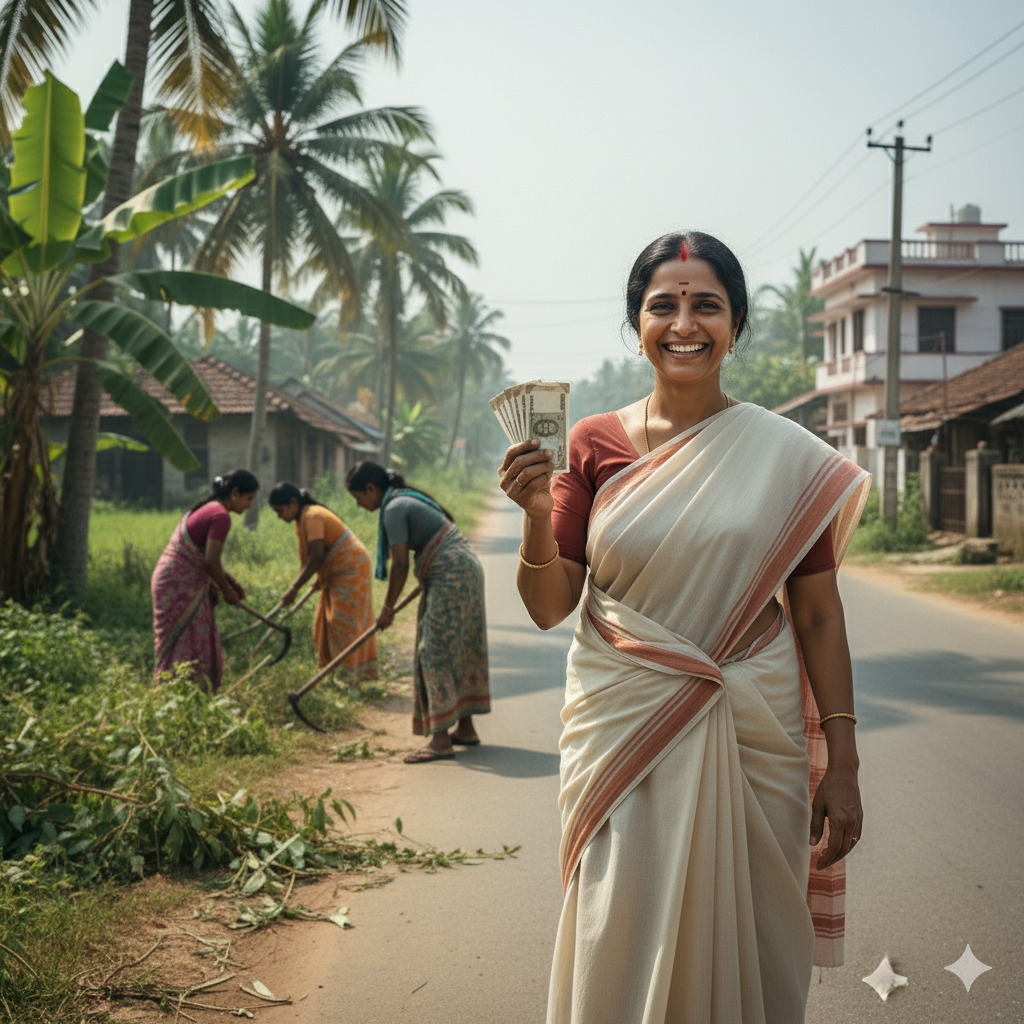
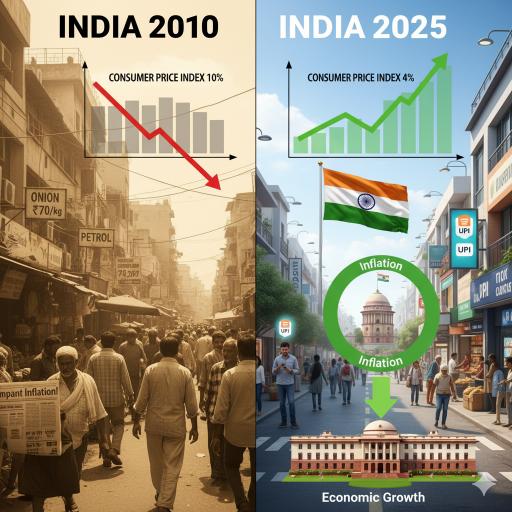
ഇന്ന് തൊഴിലുറപ്പിന് ഒരു ദിവസം കിട്ടുന്നത് 350 രൂപയ്ക്ക് മുകളിൽ. 15 വർഷം കൊണ്ട് 200 രൂപയിലധികം വരുമാന വർദ്ധന. ഇന്ന് 45 രൂപ കൊടുത്താൽ ഒരു കിലോ അരി വാങ്ങാം. 10-12 വർഷം കൊണ്ട് അരിക്ക് കൂടിയത് പത്തോ പന്ത്രണ്ടോ രൂപ മാത്രം. കാരണം, നാട്ടിലെ അവശ്യസാധനങ്ങളുടെ വില ഓരോ വർഷവും ക്രമാതീതമായി കൂടാതിരിക്കാൻ കുറഞ്ഞ പണപ്പെരുപ്പത്തിൽ രാജ്യത്തിന്റെ സാമ്പത്തിക മേഖലയെ സർക്കാരും ആർ.ബി.ഐ-യും ചേർന്ന് പിടിച്ചുകെട്ടിയിരിക്കുന്നു. അതിൽ ഏറ്റവും പ്രധാനമായിരുന്നു, ധനകാര്യ നയസമിതി രൂപീകരിച്ചത്. ഫുഡിന്റേയും ഫ്യൂവലിന്റേയും വില ഉയരാതെ നിൽക്കാൻ വേണ്ട തീരുമാനങ്ങൾ കൈക്കൊള്ളാൻ ഈ കമ്മിറ്റിയെ അധികാരപ്പെടുത്തി. അതിന്റെ റിസൾട്ട് എന്തായിരുന്നു എന്ന് അറിയുമോ? കൺസ്യൂമർ പ്രൈസ് ഇൻഡക്സ് 10%-ത്തിൽ നിന്ന് ചുരുങ്ങിയ കാലം കൊണ്ട് 4% ആയി കുറച്ചുകൊണ്ട് വന്നു. കോവിഡ് മഹാമാരി വന്നിട്ടും രാജ്യത്തെ ഉപഭോക്തൃ വില സൂചികയെ 2 മുതൽ 6% -ത്തിൽ നിർത്താനായി. എണ്ണവിലയിൽ ദിവസേനയുള്ള റിവിഷൻ കൊണ്ടുവന്നു. അത് പെട്ടെന്ന് പെട്രോൾ വില ലിറ്ററിന് 2 രൂപയോ 4 രൂപയോ കൂട്ടുമ്പോഴുണ്ടാകുന്ന പ്രൈസ് ഷോക്കിൽ നിന്ന് സാധാരക്കാരെ പരിരക്ഷിച്ചു. വടക്കേ ഇന്ത്യക്കാരുടെ ബജറ്റിനെ നേരിട്ട് സ്വാധീനിക്കുന്ന ഉള്ളി, പയർ വർഗ്ഗങ്ങൾ പോലെയുള്ളവയ്ക്ക് ഭക്ഷ്യ വസ്തുക്കൾക്ക് കരുതൽ ശേഖരം കാത്തുവെച്ചു. ഇടനിലക്കാർക്ക് കൃത്രിമ ക്ഷാമം ഉണ്ടാക്കി വിലക്കയറ്റം സൃഷ്ടിക്കാൻ സ്കോപ്പില്ലാതാക്കി. അത്യാവശ്യമെങ്കിൽ അവശ്യവസ്തുക്കൾ സീറോ ഡ്യൂട്ടിയിൽ ഇറക്കുമതി ചെയ്യാമെന്ന നയം ഒരു സമയത്തും ഇന്ത്യയിലെ മാർക്കറ്റുകളിൽ ഭക്ഷണ സാധനങ്ങൾക്ക് വിലക്കയറ്റം ഉണ്ടാകില്ല എന്ന ഉറപ്പ് യാഥാർത്ഥ്യമാക്കി. ഭക്ഷ്യ എണ്ണയുടെ ഇംപോർട്ട് ഡ്യൂട്ടി കുറച്ചു. പാചക വാതകത്തിലടക്കം ഗാർഹിക മേഖലയിൽ സർക്കാർ നൽകുന്ന സബ്സിഡികൾ വ്യാജന്മാരും ഇടനിലക്കാരും തട്ടിയെടുക്കുന്നതിന് തടയിട്ടുകൊണ്ട് ജൻധൻ അക്കൗണ്ടുകൾ വഴി Direct Benefit Transfers കൊണ്ടുവന്നു. ജിഎസ്ടി ഇൻട്രൊഡ്യൂസ് ചെയ്തതോടെ പല സാധനങ്ങൾക്കും ക്യാസ്കെയിഡിംഗ് നികുതി ഒഴിവായി, ഇത് പല സാധനങ്ങൾക്കും ചെറിയ തോതിലെങ്കിലും വിലക്കുറവിന് കാരണമായി. അങ്ങനെ 2008-2013 കാലത്ത് ഒരുവേള 13% വരെയെത്തിയ പണപ്പെരുപ്പത്തെ ആവറേജ് 4% എന്ന മാന്ത്രിക നമ്പരിലേക്ക് എത്തിക്കാൻ സർക്കാരിന് കഴിഞ്ഞു. 2024-25 സാമ്പത്തിക വർഷം, പണപ്പെരുപ്പം 4.6% ആക്കുകയാണ് കേന്ദ്രത്തിന്റേയും ആർബിഐ-യുടേയും ലക്ഷ്യം. ഈ വർഷം ജൂലൈയിലെ കണക്കനുസരിച്ച് റീട്ടെയിൽ പണപ്പെരുപ്പം 1.55% ആണ്! 8 വർഷത്തെ ഏറ്റവും താഴ്ന്ന നിരക്ക്! ശക്തമായ എക്കണോമി, രാജ്യത്തിന്റെ സാമ്പത്തിക കുതിപ്പിനും വികസനത്തിനുമുള്ള സുസ്ഥിരമായ അന്തരീക്ഷം.. അതാണ് കുറഞ്ഞ പണപ്പെരുപ്പ നിരക്കിന്റെ സാമൂഹിക വശം.
രാഷ്ട്രീയക്കാർ കോടികളുടെ കോഴപ്പണം പറ്റുകയും ജനങ്ങൾ വിലക്കയറ്റം കൊണ്ട് പൊറുതിമുട്ടുകയും, വികസനമെത്താത്ത ഗ്രാമങ്ങളും, ആത്മഹത്യ ചെയ്യുന്ന കർഷകരും, വളരാത്ത നഗരങ്ങളും, ആശയറ്റ മധ്യവർഗ്ഗവും ഉണ്ടായിരുന്ന ഒരു ഉരുണ്ട ഇന്ത്യ അങ്ങ് ദൂരെയൊന്നുമല്ല, കേവലം 10-12 വർഷം മുമ്പത്തെ ഇന്ത്യ അതായിരുന്നു. അവിടെ നിന്ന് ഇന്നത്തെ ഇന്ത്യയിലേക്ക് മാറിയത് പലർക്കും അംഗീകരിക്കാനാകുന്നില്ല എന്നതാണ് സത്യം. 2010-ലെ ഒന്നേ മുക്കാൽ ലക്ഷം കോടിയുടെ 2G Spectrum അഴിമതി. കോടികളുടെ കോമൺവെൽത് ഗെയിംസ് സ്കാം. 2 ലക്ഷം കോടിയോളം തട്ടിച്ച കൽക്കരി ഖനി ഇടപാട് , 3600 കോടിയുടെ അഗസ്റ്റ വെസ്റ്റ്ലാൻഡ് ചോപ്പർ ഇടപാട്, 5600 കോടിയുടെ National Spot Exchange അഴിമതി.. 10-12 വർഷം മുമ്പുള്ള ഇന്ത്യയിലെ വാർത്താ തലക്കെട്ട് ഇങ്ങനെയായിരുന്നു. അവിടെ നിന്ന്, ഇന്ത്യ ലോകത്തെ നാലാമത്തെ സാമ്പത്തിക ശക്തിയായി എന്ന വാർത്ത, നമ്മുടെ ജിഡിപി ഏതാനും വർഷങ്ങൾ കൊണ്ട് 2 ട്രില്യണിലധികം വളർന്നു എന്ന വാർത്ത, ലോകത്തെ ഡിജിറ്റൽ പണമിടപാടിൽ 50% ഇന്ത്യയുടെ യുപിഐ വഴി ആണെന്നും, ഒരൊറ്റമാസം 2000 കോടി ഇടപാടിൽ 25 ലക്ഷം കോടി ട്രാൻസാക്ഷൻ നടന്നു എന്നതും, 2016-ൽ 500 സ്റ്റാർട്ടപ്പുകൾ ഉണ്ടായിരുന്നതിൽ നിന്ന് 1 ലക്ഷം സ്റ്റാർട്ടപ്പുകൾ 9 വർഷം കൊണ്ട് പിറന്നു എന്നതും, ചന്ദ്രയാൻ, ആദിത്യ എന്നിങ്ങനെയുള്ള ശാസ്ത്ര നേട്ടങ്ങളും, ആഭ്യന്തര സെമി കണ്ടക്റ്റർ നിർമ്മാണമെന്ന നേട്ടവും, പ്രതിരോധ മേഖലയിലെ അഭിമാനാർഹമായ വിജയങ്ങളും, ഡിഫൻസ് പ്രൊഡക്ഷൻ ഒന്നേകാൽ ലക്ഷം കോടിയിലധികമായിരിക്കുന്നു എന്നതും ഇന്ത്യ അതിന്റെ സ്വപ്ന പദ്ധതിയായ അഞ്ചാം തലമുറ സ്റ്റെൽത്ത് യുദ്ധവിമാനത്തിന്റെ രൂപകൽപ്പനയിലേക്ക് കടക്കുന്നു എന്നതും ഒക്കെയായി വാർത്തകളും തലക്കെട്ടുകളും മാറിയത് എന്തേ മനസ്സിലാകുന്നില്ല. ഈ വാർത്ത വിശദമായി അറിയാൻ വീഡിയോ കാണുക.
Over the past 15 years, India has transformed from one of the world’s most inflation-hit economies into one of the most stable. In 2010, inflation was around 11%, food prices surged, and corruption scandals dominated headlines. Today, inflation stands near 4%, lower than in the US or UK, while daily wages and economic growth have risen steadily. Reforms like GST, direct benefit transfers, and real-time fuel price revisions helped control inflation. RBI’s monetary policy committee and government measures on food reserves and subsidies ensured price stability. This shift marks India’s rise from economic turmoil to global financial strength.
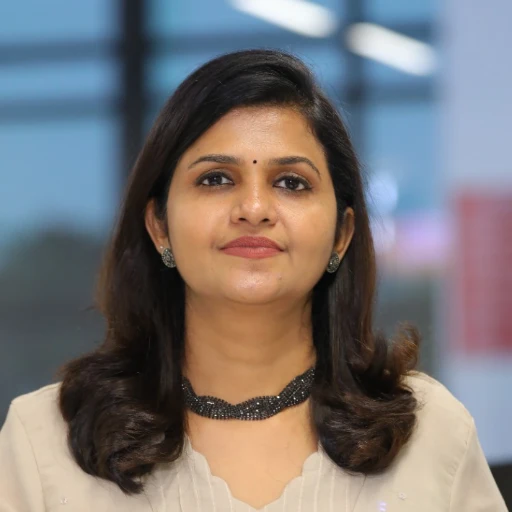
channeliam.com was founded by Nisha Krishnan, a journalist, media entrepreneur, and one of the pioneering voices in India’s digital startup journalism ecosystem. Through Channeliam, she built one of India’s earliest digital media platforms dedicated exclusively to startups, entrepreneurship, innovation, technology, and business transformation, creating a strong bridge between emerging entrepreneurs, investors, industries, and the larger public.
With more than two decades of experience in journalism and media leadership, Nisha Krishnan has consistently used storytelling as a powerful tool for social and economic impact. Her work has not only amplified the voices of startups and innovators from Kerala and across India but has also contributed to shaping public conversations around entrepreneurship, women-led enterprises, and the future economy.
Her contributions received international recognition when she was selected by the United States Department of State for the prestigious International Visitor Leadership Program (IVLP), one of the U.S. government’s premier professional exchange initiatives for global leaders. As part of this engagement, she participated in the Alumni Thematic International Exchange Seminar (TIES) held in Almaty, bringing together international changemakers, policy thinkers, and social impact leaders.
Inspired by the global exposure, policy discussions, and collaborative learning experiences from the international exchange programme, Nisha Krishnan conceptualised and launched “She Power” — a transformative initiative aimed at empowering women entrepreneurs, women in technology, startups, and aspiring women leaders in India.
She Power 1.0 and She Power 2.0 were implemented during 2020 and 2021 with the support of a grant facilitated through the U.S. State Department exchange initiative. Under her leadership, the project evolved into a multi-dimensional empowerment platform featuring workshops, startup mentoring sessions, training programmes, leadership interactions, summits, networking forums, hackathons, and entrepreneurship development activities designed specifically for women.
Through She Power, Nisha Krishnan created meaningful opportunities for women to access knowledge, mentorship, visibility, and entrepreneurial ecosystems at a time when women-led enterprises were navigating major social and economic challenges. The initiative reflected her larger vision of journalism – not merely as reporting but as a catalyst for empowerment, innovation, and inclusive growth.
Today, Nisha Krishnan continues to stand as a respected media founder, journalist, and ecosystem enabler whose work connects storytelling with nation-building, entrepreneurship with social impact, and media with meaningful transformation.