


എല്ലാക്കാലത്തും, സ്വാത്ന്യാനന്തരം മുതൽ നമ്മുടെ ഫൈറ്റർ പൈലറ്റുമാരും, വ്യോമസേനയിലെ എഞ്ചിനീയർമാരും, എയർഫോഴ്സ് ഉദ്യോഗസ്ഥരും എല്ലാം ലോകത്തെ മികച്ച പ്രൊഫഷണലുകൾ തന്നെയാണ്. അതുകൊണ്ടാണ്, ആയുധങ്ങളുടെ പരിമിതിയുണ്ടായിരുന്ന കാലത്തും, ടെക്നോളജിയുടെ കുറവുണ്ടായ കാലത്തും അതിനെ മറികടക്കുന്ന വൈദഗ്ധ്യം ഇന്ത്യൻ എയർഫോഴ്സ് കാഴ്ചവെച്ചത്. ആ കാലത്ത് നിന്ന് ടെക് എനേബിൾഡായ, ഏത് പരീക്ഷണത്തിനും സപ്പോർട്ട് കിട്ടുന്ന കാലത്ത് ഡിജിറ്റൈസ് കമാന്റ് നെറ്റ് വർക്കിലേക്കും അഡ്വാൻസ്ഡ് 4.5-ജനറേഷൻ ഫൈറ്റർ ജെറ്റുകളിലേക്കും പരിവർത്തനെ ചെയ്യപ്പെട്ടു. അങ്ങനെ നവീകരിക്കപ്പെട്ട് ഇന്ത്യൻ വ്യോമസേനയുടെ അഭിമാനമായ Network Centric Warfare-നെക്കുറിച്ച് കേട്ടിട്ടില്ലേ. Airborne Warning and Control System അഥവാ AWACS- ആകാശത്ത് ഇമചിമ്മാതെ പറന്ന് നൂറുകണക്കിന് കിലോമീറ്റർ അകലെയുള്ള ശത്രുവിനെ കണ്ടെത്തുന്നു. Ground Radar ശത്രുവിന്റെ നീക്കളെക്കുറിച്ച് മറ്റൊരു വിവരവും നൽകുന്നു. Satellite അവിടുത്തെ ടെറെയിൻ ഉൾപ്പെടെ വ്യത്യസ്തമായ മറ്റൊരു വിവരം കൈമാറുന്നു.. ഇതെല്ലാം അളന്ന്, Electronic Intelligence ആ ശത്രുവിന് നേരെ ഉപയോഗിക്കേണ്ട മിസൈൽ തെരഞ്ഞെടുക്കുന്നു.. ഈ ഇൻഫർമേഷനുകൾ, ആകാശത്തേക്ക് കുതിച്ച് എന്തിനും തയ്യാറായി നിൽക്കുന്ന റഫാലിലെ അല്ലെങ്കിൽ സുഖോയിലെ Pilot-ന്റെ കൺമുന്നിലായി Cockpit-ലെത്തുന്നു, നിമിഷങ്ങൾക്കകം.. ഇത് സാധ്യമാക്കുന്നത് നേരത്തേ പറഞ്ഞ Network Centric Warfare സിസ്റ്റമാണ്.
ഇന്ത്യൻ വ്യോമസേനയുടെ ഏറ്റവും വലിയ കരുത്ത് നമുക്ക് ചുറ്റുമുള്ള വ്യത്യസ്തതരം ഭൗമ സാഹചര്യങ്ങളെ കീഴടക്കി നേടിയ അസാധാരണമായ ചില പരിചയങ്ങളാണ്. പടിഞ്ഞാറ് പാകിസ്ഥാൻ. വടക്ക് ചൈന. തെക്ക് ഇന്ത്യൻ മഹാസമുദ്രം. വടക്കുകിഴക്ക് ഹിമാലയം, പിന്നെ മരുഭൂമി, കടൽ.
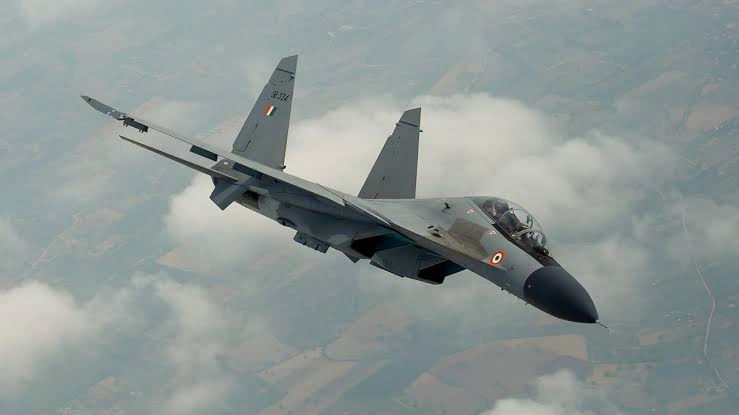
രാജസ്ഥാനിൽ 50 ഡിഗ്രി വരെ ഉയരുന്ന കടുത്ത ചൂടും, ഹിമാലയത്തിലെ -30 ഡിഗ്രി തണുപ്പും നേരിട്ടവരാണ്. ലോകത്ത് വളരെ കുറച്ച് രാജ്യങ്ങൾക്കേ ഇത്തരമൊരു ബഹുമുഖ യുദ്ധസാഹചര്യത്തിന് തയ്യാറാകാൻ കഴിയൂ. ഹിമാലയത്തിൽ പറക്കുക എന്നത് ലോകത്തിലെ ഏറ്റവും കഠിനമായ സൈനിക ദൗത്യങ്ങളിലൊന്ന്. ലഡാക്ക്, സിയാചിൻ, ദൗലത് ബെഗ് ഓൾഡി.. ഇതൊക്കെ 18,000 അടിക്ക് മേൽ ഉയരമുള്ള ദുർഘടമായ മേഖലകളാണ്. അവിടെ വായുവിലെ ഓക്സിജൻ കുറവായിരിക്കും. പോർ വിമാനത്തിന്റെ എഞ്ചിൻ പ്രകടനം കുറയും. റഡാർ ചിലപ്പോൾ വ്യക്തമായ ചിത്രം നൽകാതിരിക്കും, പർവ്വതങ്ങൾ സിഗ്നലുകൾ മറയ്ക്കുന്നു, കാലാവസ്ഥ നിമിഷങ്ങൾക്കുള്ളിൽ മാറും.. ഇവിടെയെല്ലാം പതിറ്റാണ്ടുകളായി ഇന്ത്യൻ വ്യോമസേന പരിശീലനം നേടിയിട്ടുണ്ട്. ഇത് ഒരു വലിയ അനുഭവസമ്പത്താണ്. കാർഗിലിൽ ഓർമ്മയില്ലേ? മലമുകളിൽ എങ്ങനെ യുദ്ധം ചെയ്യാമെന്ന് ഇന്ത്യയിൽ നിന്ന് ലോകം പഠിച്ച സൈനിക നടപടിയായിരുന്നു അത്. ബാലാക്കോട്ടിൽ കുറച്ചു കൂടി കൃത്യമായി. അതിർത്തി കടന്ന് മലനിരകൾക്ക് ഇടയിലൂടെ കൃത്യതയോടെ പ്രഹരിക്കാൻ ഇന്ത്യയ്ക്ക് കഴിയുമെന്ന് ലോകം തിരിച്ചറിഞ്ഞു.
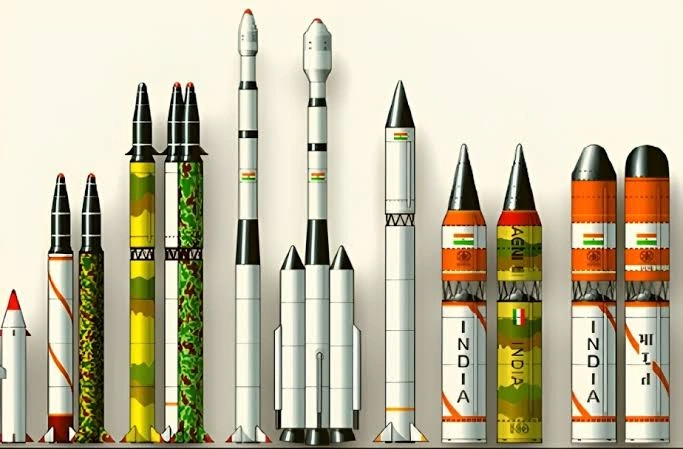
Precision വെപ്പണുകളുടെ കാലത്ത്, 100 ബോംബ് ഇടുന്നതല്ല, ഒരൊറ്റ മിസൈൽ മാർക്ക് ചെയ്ത ആ ഒരൊറ്റ ലക്ഷ്യത്തിൽ സ്ട്രൈക്ക് ചെയ്യിക്കുന്നതാണ് കരുത്ത്. ഇന്ത്യയുടെ വ്യോമസേന ഇന്ന് വിവിധ Precision Guided Munitions ഉപയോഗിക്കാൻ ശേഷിയുള്ളതാണ്. അതുപോലെ Mid-Air Refuelling സംവിധാനം. ഒരു Fighter സാധാരണ പറന്ന് ആക്രമണം നടത്തി തിരികെ വന്ന്, ഇന്ധനം നിറച്ച്, അടുത്ത മിഷന് പുറപ്പെടുന്നതിനേക്കാൾ, ആകാശത്ത് വെച്ച് തന്നെ ഇന്ധനം നിറച്ച് മൾട്ടി മിഷൻ കാരിയറായി മാറുമ്പോൾ അതിന്റെ പ്രഹര ശേഷിയും റേഞ്ചും പലമടങ്ങ് വർദ്ധിക്കും. നമ്മൾ ഇന്ന് അത്തരത്തിൽ മികവ് പുലര്ത്തുന്ന അപൂർവ്വം വ്യോമസേനകളിൽ ഒന്നായി മാറിയിരിക്കുന്നു. അതുപോലെ ഹെവി ലിഫ്റ്റ് കേപ്പബിലിറ്റി. യുദ്ധം തുടങ്ങുന്നതിന് മുമ്പ് തന്നെ സൈന്യത്തെയും ടാങ്കുകളെയും യുദ്ധോപകരണങ്ങളേയും അതിവേഗം എത്തിക്കുന്നത് യുദ്ധത്തിലെ മേൽക്കോയ്മയിൽ വലിയ അഡ്വാന്റേജാണ്. Boeing C-17 Globemaster, Lockheed Martin C-130J Super Hercules, Chinook ഹെലികോപ്റ്ററുകൾ പോലെ ടാക്റ്റിക്കൽ എയർ ലിഫ്റ്ററുകൾ വ്യോമസേനയുടെ ശേഷി വേറിട്ടതാക്കുന്നു.
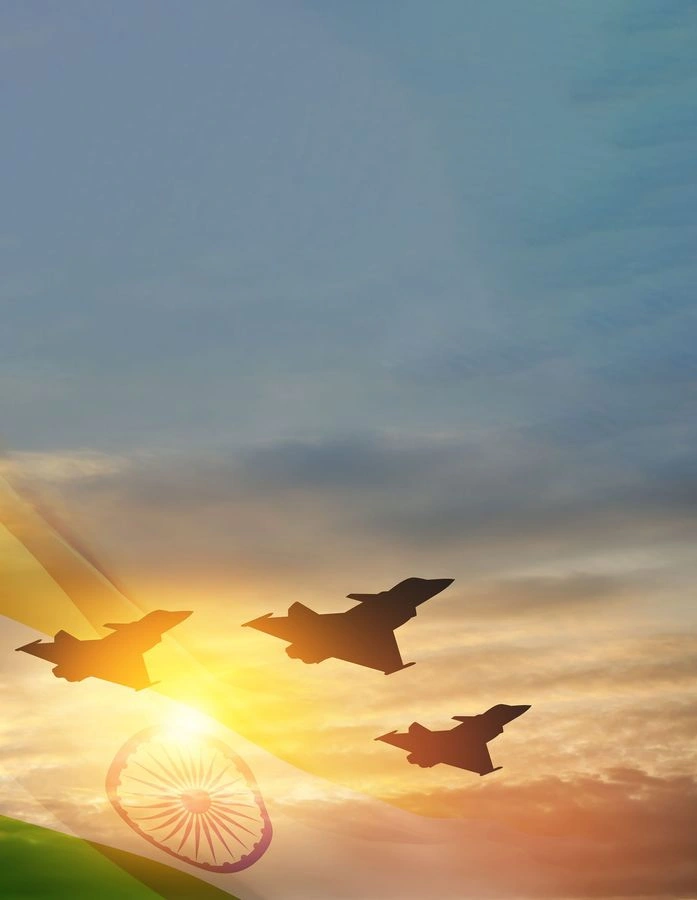
ആകാശത്ത് ശത്രുരാജ്യങ്ങളുടെ ഫൈറ്റർ ജെറ്റുകൾ വിഷ്വൽ റേഞ്ചിൽ നിന്ന് കൊണ്ട് പരസ്പരം നേരിട്ട് ഏറ്റുമുട്ടുന്ന ഡോഗ് ഫൈറ്റ് എപ്പിസോഡുകളുടെ കാലം കഴിയുകയും, ഇലക്ട്രോണ്ക് വാർഫെയർ യുഗം പിറക്കുകയും ചെയ്തപ്പോൾ ലോകം തിരിച്ചറിഞ്ഞത് യുദ്ധം ജയിക്കുന്നത് വിമാനങ്ങളുടെ എണ്ണം കൊണ്ടല്ല, വെടിയുണ്ടകളുടെ ഗുണം കൊണ്ടുമല്ല, പകരം ആകാശത്തെ ആരാണ് നിയന്ത്രിക്കുന്നത് എന്നത് എനുസരിച്ചാണ്. അതുകൊണ്ടാണ്, ലോകത്തിലെ ഏറ്റവും വലിയ വ്യോമ ശക്തികളെ വിലയിരുത്തുന്ന World Directory of Modern Military Aircraft പ്രസിദ്ധീകരിച്ച ഏറ്റവും പുതിയ റിപ്പോർട്ടിൽ, ഇന്ത്യൻ വ്യോമസേന ചൈനയുടെ എയർഫോഴ്സിനെ പിന്നിലാക്കി ലോകത്തിലെ മൂന്നാമത്തെ ഏറ്റവും ശക്തമായ വ്യോമസേനയായി തിരഞ്ഞെടുക്കപ്പെട്ടത്! അതും തുടർച്ചായ അഞ്ചാം തവണ! ആകാശത്തെ നിയന്ത്രിക്കുന്ന ആ ശക്തികളുടെ ലിസ്റ്റ് ഇതാണ്, അമേരിക്ക, റഷ്യ, ഇന്ത്യ!
പക്ഷേ, ഇവിടെ ഒരു ചോദ്യം സ്വാഭാവികമാണ്. കണക്കുകൾ നോക്കിയാൽ ചൈനയുടെ People’s Liberation Army Air Force ഇന്ത്യയേക്കാൾ മുന്നിലാണ്. ഇന്ത്യയ്ക്കുള്ളതിന്റെ ഇരട്ടിയിലധികം പോർവിമാനങ്ങൾ! ഫിഫ്ത്ത് ജനറേഷൻ സ്റ്റെൽത്ത് ഫൈറ്ററുകൾ, എയർ ഡിഫൻസ് ഇന്റഗ്രേഷൻ ഇവയെല്ലാം ചൈനയുടെ അഡ്വാന്റേജാണ്. പക്ഷെ എന്നിട്ടും എന്തുകൊണ്ടാണ് എയർഫോഴ്സുകളുടെ ആക്രമണ ശക്തിയിൽ ഇന്ത്യ ചൈനയെ വെട്ടി മുന്നിലെത്തിയത്? കാരണം ലോകത്തെ യുദ്ധ സ്ട്രാറ്റജിസ്റ്റുകൾക്ക് ഒരു കാര്യം മനസ്സിലായി, ഇനിയൊരു യുദ്ധത്തിൽ, എണ്ണത്തിലല്ല കാര്യം, ശേഷിയിലാണ്! അതാണ് True Value Rating അഥവാ TVR. ഇത് നോക്കുന്നത് ഒരു രാജ്യത്തിന്റെ Combat Readiness, Fleet Balance, Mission Capability, Pilot Training, Logistics, Maintenance, Technology, Operational Flexibility, Force Projection, Electronic Warfare റെഡിനെസ്, Modernisation..
അതാണ് ഇന്ത്യൻ എയർഫോഴ്സിനെ, അമേരിക്കയ്ക്കും റഷ്യയ്ക്കും തൊട്ടുപിന്നിൽ ലോകത്തെ മൂന്നാമത്തെ വലിയ ആക്രമണകാരിയാക്കുന്നത്.
The evolution of the Indian Air Force from a force operating with limited resources to a technology-driven modern air power is highlighted through its advanced network-centric warfare systems, combat experience, and operational capabilities. The focus is on how AWACS, satellites, ground radars, electronic intelligence, precision weapons, mid-air refuelling, heavy-lift aircraft, and decades of experience across diverse terrains have strengthened India’s air combat readiness. It also explores why modern air power depends on capability, technology, and preparedness rather than just the number of aircraft, positioning the Indian Air Force among the world’s most powerful air forces.
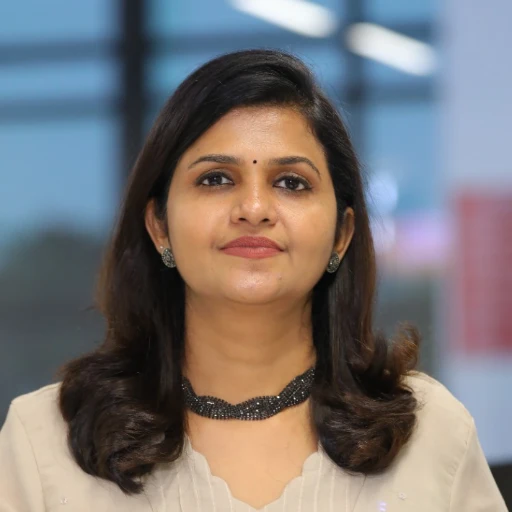
channeliam.com was founded by Nisha Krishnan, a journalist, media entrepreneur, and one of the pioneering voices in India’s digital startup journalism ecosystem. Through Channeliam, she built one of India’s earliest digital media platforms dedicated exclusively to startups, entrepreneurship, innovation, technology, and business transformation, creating a strong bridge between emerging entrepreneurs, investors, industries, and the larger public.
With more than two decades of experience in journalism and media leadership, Nisha Krishnan has consistently used storytelling as a powerful tool for social and economic impact. Her work has not only amplified the voices of startups and innovators from Kerala and across India but has also contributed to shaping public conversations around entrepreneurship, women-led enterprises, and the future economy.
Her contributions received international recognition when she was selected by the United States Department of State for the prestigious International Visitor Leadership Program (IVLP), one of the U.S. government’s premier professional exchange initiatives for global leaders. As part of this engagement, she participated in the Alumni Thematic International Exchange Seminar (TIES) held in Almaty, bringing together international changemakers, policy thinkers, and social impact leaders.
Inspired by the global exposure, policy discussions, and collaborative learning experiences from the international exchange programme, Nisha Krishnan conceptualised and launched “She Power” — a transformative initiative aimed at empowering women entrepreneurs, women in technology, startups, and aspiring women leaders in India.
She Power 1.0 and She Power 2.0 were implemented during 2020 and 2021 with the support of a grant facilitated through the U.S. State Department exchange initiative. Under her leadership, the project evolved into a multi-dimensional empowerment platform featuring workshops, startup mentoring sessions, training programmes, leadership interactions, summits, networking forums, hackathons, and entrepreneurship development activities designed specifically for women.
Through She Power, Nisha Krishnan created meaningful opportunities for women to access knowledge, mentorship, visibility, and entrepreneurial ecosystems at a time when women-led enterprises were navigating major social and economic challenges. The initiative reflected her larger vision of journalism – not merely as reporting but as a catalyst for empowerment, innovation, and inclusive growth.
Today, Nisha Krishnan continues to stand as a respected media founder, journalist, and ecosystem enabler whose work connects storytelling with nation-building, entrepreneurship with social impact, and media with meaningful transformation.