

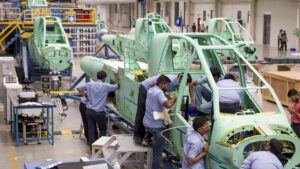





ഇരുപതാം നൂറ്റാണ്ടിൽ ക്രൂഡ് ഓയിൽ ലോകരാഷ്ട്രങ്ങളുടെ സാമ്പത്തിക സമവാക്യങ്ങളെ നിയന്ത്രിച്ചതുപോലെ, ഇരുപത്തൊന്നാം നൂറ്റാണ്ടിൽ ലോകത്തെ നിയന്ത്രിക്കുന്നത് സെമികണ്ടക്റ്ററുകളാണ്. നമ്മുടെ പോക്കറ്റിലെ സ്മാർട്ട്ഫോൺ, ഇലക്ട്രിക് വാഹനങ്ങൾ, മെഡിക്കൽ ഉപകരണങ്ങൾ, ബാങ്കിംഗ് സെർവറുകൾ എന്നിവ മുതൽ അതിർത്തി കാക്കുന്ന റഡാറുകളും ബ്രഹ്മോസ് മിസൈലുകളും വരെ പ്രവർത്തിക്കുന്നത് സിലിക്കൺ ചിപ്പുകളുടെ കരുത്തിലാണ്. തായ്വാനെയും ചൈനയെയും ദക്ഷിണ കൊറിയയെയും പോലുള്ള രാജ്യങ്ങളുടെ കുത്തകയായ സെമികണ്ടക്റ്റർ മേഖലയിൽ, ആധിപത്യം സ്ഥാപിക്കാനായി ഇന്ത്യ ആവിഷ്കരിച്ച റെവല്യൂഷനറി പദ്ധതിയാണ് ഇന്ത്യ സെമികണ്ടക്ടർ മിഷൻ 2.0. ആദ്യഘട്ടമായ ഇന്ത്യ സെമികണ്ടക്ടർ മിഷൻ 1.0 വഴി ഗുജറാത്തിലും ഒഡീഷയിലും വൻകിട ചിപ്പ് നിർമ്മാണ പ്ലാന്റുകൾക്കും അസംബ്ലി യൂണിറ്റുകൾക്കും അടിത്തറയിട്ടു.

ലോകത്തിലെ ഏറ്റവും വലിയ ചിപ്പ് നിർമ്മാണ കമ്പനികളായ ക്വാൽകോം (Qualcomm), ഇന്റൽ (Intel), എൻവിഡിയ (Nvidia), എഎംഡി (AMD), ആപ്പിൾ (Apple) എന്നിവയുടെയെല്ലാം വലിയ ഡിസൈൻ കേന്ദ്രങ്ങൾ ബെംഗളൂരു, ഹൈദരാബാദ്, നോയിഡ തുടങ്ങിയ നഗരങ്ങളിലാണ്.
ലോകത്തെ ആകെ ചിപ്പ് ഡിസൈനർമാരിൽ 20% ആളുകളും ഇന്ത്യക്കാരാണ്. എന്നാൽ ഈ എഞ്ചിനീയർമാർ ഡിസൈൻ ചെയ്യുന്ന ചിപ്പുകളുടെ ബൗദ്ധിക സ്വത്തവകാശം (IP) അമേരിക്കൻ കമ്പനികൾക്കാണ്. ഡിസൈൻ ചെയ്ത ശേഷം ഈ ചിപ്പുകൾ നിർമ്മിക്കാൻ തായ്വാനിലേക്കും കൊറിയയിലേക്കും അയക്കുന്നു. ഈ സാഹചര്യത്തിന് മാറ്റം കൊണ്ടുവരാനായാണ് ഇന്ത്യ അതിന്റെ സ്വന്തമായ സെമികണ്ടക്ടർ മിഷൻ തുടങ്ങുന്നത്. കഴിഞ്ഞ 3-4 വർഷത്തിനിടെ ഗുജറാത്തിലെ ദോലേര-യിൽ ടാറ്റാ ഗ്രൂപ്പും തായ്വാനിലെ PSMC-യും ചേർന്ന് ഇന്ത്യയിലെ ആദ്യത്തെ വൻകിട സിലിക്കൺ ചിപ്പ് ഫാക്ടറി നിർമ്മിച്ചുകൊണ്ടിരിക്കുകയാണ്. ഗുജറാത്തിലെ സാനന്ദിൽ ചിപ്പ് ടെസ്റ്റിംഗ്, പാക്കേജിങ് പ്ലാന്റുകൾ അതിവേഗം ഉയരുന്നുണ്ട്. മൊഹാലിയിലുള്ള സർക്കാരിന്റെ ചിപ്പ് ഫാക്ടറിയിൽ സ്പേസ് ആവശ്യങ്ങൾക്കും പ്രതിരോധ ആവശ്യങ്ങൾക്കുമുള്ള ചില ചിപ്പുകൾ ഇന്ത്യ നിലവിൽ സ്വന്തമായി നിർമ്മിക്കുന്നുണ്ട്.

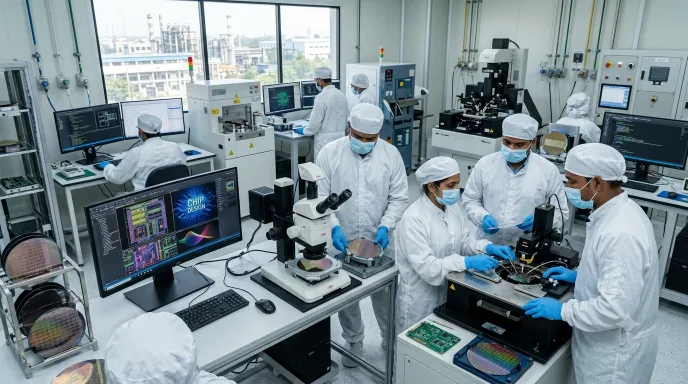
ISM 2.0 എന്ന രണ്ടാം ഘട്ടം ഇന്ത്യയെ കേവലം ചിപ്പുകൾ കൂട്ടിയോജിപ്പിക്കുന്ന രാജ്യമെന്ന നിലയിൽ നിന്ന് സ്വന്തമായി ചിപ്പുകൾ ഡിസൈൻ ചെയ്യുകയും Intellectual Property സ്വന്തമാക്കുകയും ചെയ്യുന്ന ടെക്നോളജി സെന്ററായി മാറ്റും. 3nm, 5nm തുടങ്ങിയ അത്യാധുനിക അഡ്വാൻസ്ഡ് നോഡുകളിൽ, എഐ (AI) ഇൻഫറൻസ് ചിപ്പുകളും പ്രോസസറുകളും വികസിപ്പിക്കുകയാണ് ലകഷ്യം. സി-ഡാക് (C-DAC) പോലെയുള്ള പൊതുമേഖലാ സ്ഥാപനങ്ങൾക്കും ഇന്ത്യൻ സ്റ്റാർട്ടപ്പുകൾക്കും സാമ്പത്തികവും ടെക്നോളജിപരവുമായ സഹായങ്ങൾ സർക്കാർ ഉറപ്പാക്കുന്നു. ഇന്ത്യൻ എഞ്ചിനീയർമാർ രൂപകൽപ്പന ചെയ്യുന്ന ഡൊമസ്റ്റിക് ചിപ്പുകളുടെ പേറ്റന്റും IP അവകാശങ്ങളും ഇന്ത്യയിൽ തന്നെ നിലനിർത്താൻ പദ്ധതി തുകയുടെ വലിയൊരു വിഹിതം സബ്സിഡിയായി നൽകുന്നു. ചിപ്പ് നിർമ്മാണത്തിന് ആവശ്യമായ സിലിക്കൺ മെറ്റീരിയലുകൾ, പ്രത്യേക തരം കെമിക്കലുകൾ, വാതകങ്ങൾ, മെഷീനറികൾ എന്നിവ തദ്ദേശീയമായി നിർമ്മിക്കുന്ന കമ്പനികൾക്ക് കേന്ദ്ര സർക്കാർ പിന്തുണ നൽകുന്നു. 3nm/5nm പോലുള്ള ചെലവേറിയ ചിപ്പ് നിർമ്മാണത്തിന് പകരമായി ചിപ്ലെറ്റ് (Chiplet) സാങ്കേതികവിദ്യയും 3D പാക്കേജിംഗും പ്രയോജനപ്പെടുത്തി കുറഞ്ഞ ചെലവിൽ മികച്ച പെർഫോമൻസുള്ള പ്രോസസറുകൾ നിർമ്മിക്കുന്നു.
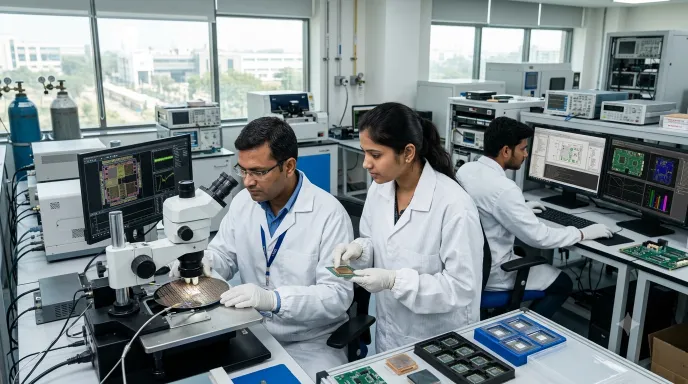
1960-കളിലാണ്, അമേരിക്ക സെമികണട്ക്റ്റർ ചിപ്പുകളുടെ ഗവേഷണത്തിലേക്ക് കടന്നത്. 2010-ന്റെ തുടക്കമാണ്, ചൈന തങ്ങളുടെ സെമികണ്ടക്ടർ മിഷൻ ഔദ്യോഗികമായി ആരംഭിച്ചത്. 2014-ൽ ചൈന വിഖ്യാതമായ “ബിഗ് ഫണ്ട്” അഥവാ ‘നാഷണൽ ഇന്റഗ്രേറ്റഡ് സർക്യൂട്ട് ഇൻഡസ്ട്രി ഇൻവെസ്റ്റ്മെന്റ് ഫണ്ട്’ പ്രഖ്യാപിച്ചു. ഈ പത്ത് വർഷത്തിനുള്ളിൽ കാറുകളിലും വീട്ടുപകരണങ്ങളിലും ഉപയോഗിക്കുന്ന ‘ലെഗസി ചിപ്പുകളുടെ’ പ്രൊഡക്ഷനിൽ ചൈന വലിയ വളർച്ച നേടി. അവരുടെ SMIC പോലുള്ള കമ്പനികൾ ലോകത്തിലെ ഏറ്റവും വലിയ ചിപ്പ് നിർമ്മാതാക്കളിൽ ഒന്നായി മാറി. അമേരിക്ക അരനൂറ്റാണ്ടിന് മുൻപും, ചൈന 20 വർഷം മുമ്പും തുടങ്ങിയ ടെക്നോളജി ട്രാൻസ്ഫർമേഷന്റെ ബുദ്ധി നമുക്ക് നടപ്പാക്കാൻ 2020 ആകേണ്ടി വന്നു. അതുകൊണ്ട് ഇനി, വിദേശ കമ്പനികൾക്ക് ഫാക്ടറി സ്ഥാപിക്കാൻ ഭൂമി നൽകുക എന്നതിലേക്ക് ചുരുങ്ങുന്നതല്ല നമ്മുടെ മിഷൻ. വിദേശ ബഹുരാഷ്ട്ര കമ്പനികൾക്ക് വേണ്ടി പണിയെടുക്കുന്നതിന് പകരം സ്വന്തമായി Intellectual Property വികസിപ്പിക്കാൻ ഇന്ത്യൻ കമ്പനികൾക്ക് സാമ്പത്തിക ഗ്രാന്റുകളും ഫണ്ടിംഗും സെമികണ്ടക്ടർ മിഷൻ 2.0. ഉറപ്പാക്കുന്നു. ചിപ്പ് നിർമ്മാണത്തിന് 30% വരെ സാമ്പത്തിക ആനുകൂല്യം നൽകും. അത്യാധുനിക സിലിക്കൺ അധിഷ്ഠിത കമ്പ്യൂട്ടർ ചിപ്പ് ഫാക്ടറികൾക്ക് അതായത്, സിലിക്കൺ ഫാബുകൾക്ക് 40% വരെയും മറ്റു ഡിസ്പ്ലേ ഫാബുകൾക്ക് 35% വരെയും സാമ്പത്തിക ഇളവ് നൽകും. നിർമ്മിച്ച ചിപ്പുകൾ പരിശോധിച്ച് പാക്കേജ് ചെയ്യുന്നതിനായുള്ള അഡ്വാൻസ്ഡ് പാക്കേജിംഗിന് 35%-വും പരമ്പരാഗത അസംബ്ലി യൂണിറ്റുകൾക്ക് 25%-വും ധനസഹായം നൽകും. ഭാവിയിലെ ക്വാണ്ടം കമ്പ്യൂട്ടിങ്, ആർട്ടിഫിഷ്യൽ ഇന്റലിജൻസ് ചിപ്പുകൾ എന്നിവയുടെ ഗവേഷണത്തിനായി 75% വരെ സർക്കാർ ഫണ്ട് നൽകുന്നു. രാജ്യത്തെ 315-ലധികം സർവ്വകലാശാലകളിൽ ചിപ്പ് ഡിസൈൻ സിലബസ് അവതരിപ്പിച്ച് ഇതിനകം 68,000-ത്തിലധികം വിദ്യാർത്ഥികൾക്ക് പരിശീലനം നൽകിക്കഴിഞ്ഞു. ഇത് ഇനിയും വ്യാപിപ്പിക്കും. കേന്ദ്ര ഐ.ടി മന്ത്രി അശ്വിനി വൈഷ്ണവ് ചൂണ്ടിക്കാണിച്ചതുപോലെ: “എന്തുകൊണ്ട് ഇന്ത്യയ്ക്ക് സ്വന്തമായി സെമികണ്ടക്ടർ പ്രൊഡക്ട് കമ്പനികൾ ഉണ്ടായിക്കൂടാ?” ഇതാണ് സെമികണ്ടക്ടർ മിഷൻ 2.0.-യുടെ കാതൽ.
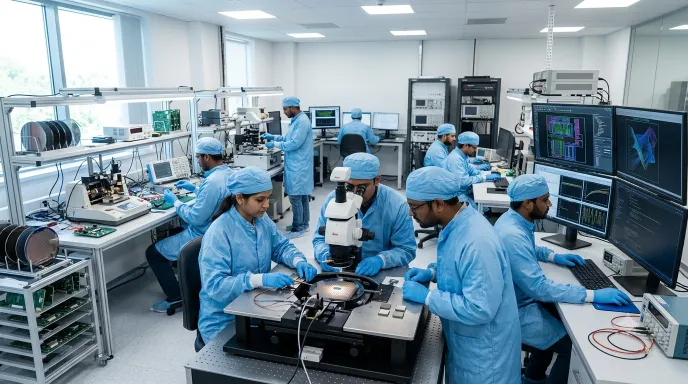
India Semiconductor Mission 2.0 marks the country’s next major step towards becoming a global semiconductor hub by focusing on indigenous chip design, manufacturing, intellectual property creation and advanced technologies such as AI and quantum computing. Backed by government incentives, funding for research and startups, support for semiconductor fabs and packaging facilities, and investments in talent development, the mission aims to reduce dependence on foreign technology, strengthen India’s semiconductor ecosystem and position the country as a leader in the global chip industry.

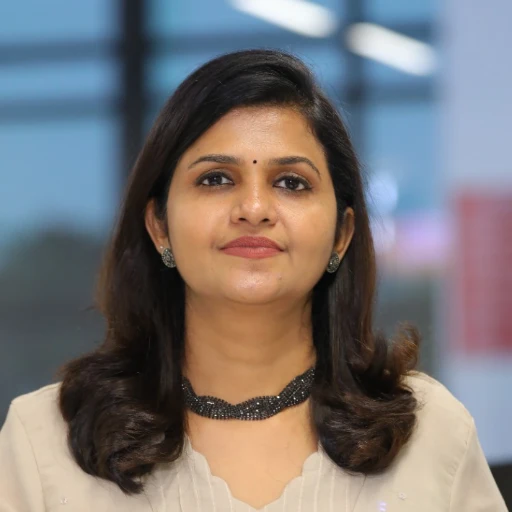
channeliam.com was founded by Nisha Krishnan, a journalist, media entrepreneur, and one of the pioneering voices in India’s digital startup journalism ecosystem. Through Channeliam, she built one of India’s earliest digital media platforms dedicated exclusively to startups, entrepreneurship, innovation, technology, and business transformation, creating a strong bridge between emerging entrepreneurs, investors, industries, and the larger public.
With more than two decades of experience in journalism and media leadership, Nisha Krishnan has consistently used storytelling as a powerful tool for social and economic impact. Her work has not only amplified the voices of startups and innovators from Kerala and across India but has also contributed to shaping public conversations around entrepreneurship, women-led enterprises, and the future economy.
Her contributions received international recognition when she was selected by the United States Department of State for the prestigious International Visitor Leadership Program (IVLP), one of the U.S. government’s premier professional exchange initiatives for global leaders. As part of this engagement, she participated in the Alumni Thematic International Exchange Seminar (TIES) held in Almaty, bringing together international changemakers, policy thinkers, and social impact leaders.
Inspired by the global exposure, policy discussions, and collaborative learning experiences from the international exchange programme, Nisha Krishnan conceptualised and launched “She Power” — a transformative initiative aimed at empowering women entrepreneurs, women in technology, startups, and aspiring women leaders in India.
She Power 1.0 and She Power 2.0 were implemented during 2020 and 2021 with the support of a grant facilitated through the U.S. State Department exchange initiative. Under her leadership, the project evolved into a multi-dimensional empowerment platform featuring workshops, startup mentoring sessions, training programmes, leadership interactions, summits, networking forums, hackathons, and entrepreneurship development activities designed specifically for women.
Through She Power, Nisha Krishnan created meaningful opportunities for women to access knowledge, mentorship, visibility, and entrepreneurial ecosystems at a time when women-led enterprises were navigating major social and economic challenges. The initiative reflected her larger vision of journalism – not merely as reporting but as a catalyst for empowerment, innovation, and inclusive growth.
Today, Nisha Krishnan continues to stand as a respected media founder, journalist, and ecosystem enabler whose work connects storytelling with nation-building, entrepreneurship with social impact, and media with meaningful transformation.


