


1970-കളുടെ മധ്യത്തിൽ 1 ഡോളർ ഈസ് ഈക്വൽ ടു 8 ഇന്ത്യൻ രൂപയായിരുന്നു. ഇന്ന് 90 രൂപ കടന്നിരിക്കുന്നു. നമ്മുടെ രാജ്യത്തിന്റെ ഏതെങ്കിലും സാമ്പത്തിക നയം കാരണമാണോ രൂപ വീക്ക് ആകുന്നത്? കഴിഞ്ഞ 50 വർഷമായി ഡോളറിനെതിരെ രൂപ ദുർബലമായി വരികയാണെന്ന് എല്ലാവർക്കുമറിയാം. ക്രമാനുഗതമായ താഴ്ചയാണത്. ആ താഴ്ച ശ്രദ്ധിച്ചാലറിയാം, അമേരിക്കൻ ഡോളർ ശക്തിപ്രാപിക്കുമ്പോഴൊക്കെ രൂപ ദുർബലമായി. ഇന്ത്യൻ രൂപ മാത്രമല്ല, ലോകത്തെ മിക്കവാറും കറൻസികളെല്ലാം ദുർബലമാകും. ജാപ്പനീസ് യെൻ, ബ്രിട്ടീഷ് പൗണ്ട്, യൂറോ അങ്ങനെ പല കറൻസികൾ. ജപ്പാന്റെ യെൻ, 30 വർഷത്തിനിടയിലെ ഏറ്റവും വലിയ തകർച്ചയിലാണ്. എങ്ങനെയാണ് രൂപ ദുർബലമാകുന്നത്.
അമേരിക്കൻ ഫിനാൻഷ്യൽ സംവിധാനത്തിലുള്ള ഏത് മാറ്റവും ലോകത്തെയാകെ ബാധിക്കുന്ന നില വന്നിട്ട് പതിറ്റാണ്ടുകളായി. ഇതിന്റെയെല്ലാം ചരടുവലിക്കുന്നത് അമേരിക്കൻ സെൻട്രൽ ബാങ്കായ ദ ഫെഡറൽ റിസർവ്വാണ്. ഈ ഫെഡറൽ റിസർവ്വ്, അവരുടെ നിക്ഷേപങ്ങൾക്ക് പലിശ കൂട്ടുമ്പോൾ, മറ്റ് രാജ്യങ്ങളിൽ നിന്ന് ഫണ്ടുകൾ യുഎസ്സിലേക്ക് ഒഴുകും. കോർപ്പറേറ്റുകളുടെ ഫണ്ട്, ഇൻഷ്വറൻസ് കമ്പനികളുടെ ഫണ്ട്, പെൻഷൻ ഫണ്ട്, വലിയ ഇൻവെസ്റ്റ്മെന്റ് ഫേുകളുടെ ഫണ്ടുകൾ അങ്ങനെ എല്ലാം. കാരണം പലിശ കൂടുതൽ കിട്ടും. ഇന്ത്യയിലെ പല വമ്പൻമാരും അവരുടെ ആസ്തികൾ വിറ്റ് അത് ഡോളറാക്കി അമേരിക്കയിലേക്ക് അയയ്ക്കും. ഇന്ത്യൻ മണിയുടെ സപ്ലൈ കൂടും, ഡിമാന്റ് കുറയും..സംരംഭകർക്കറിയാം ഏതൊരു ബിസിനസ്സിലും, സപ്ലൈ കൂടി, ഡിമാന്റ് കുറഞ്ഞാൽ ഉൽപ്പന്നത്തിന്റെ വില കുറയും. ഇവിടേയേും സംഭവിക്കുന്നത് അതാണ്. രൂപയുടെ വില കുറഞ്ഞു. രൂപയുടെ മൂല്യം കുറയുന്ന സാഹചര്യത്തിൽ RBI- എക്സ്ട്രീമിലി കെയർഫുള്ളായേ പറ്റൂ. ഊ ഈ അവസരത്തിൽ വളരെ പ്രധാനപ്പെട്ട ഒരു കാര്യം പറയാം.
ഇംപോസിബിൾ ട്രൈലെമ്മ (The Impossible Trilemma) എന്നൊരു സാമ്പത്തിക അവസ്ഥയുണ്ട്. Robert Mundell, Marcus Fleming എന്നിവർ കൊണ്ടുവന്ന സിദ്ധാന്തമാണ്. ലോകത്തിലെ എല്ലാ രാജ്യങ്ങളും ഇത് നേരിടുന്നുണ്ട്. താഴെ പറയുന്ന മൂന്ന് സാമ്പത്തിക അവസരങ്ങളിൽ രണ്ടെണ്ണം മാത്രമേ ഒരു രാജ്യത്തിന് ഒരേസമയം തിരഞ്ഞെടുക്കാനാവൂ:
1. കറൻസിയുടെ എക്സ്ചേഞ്ച് മൂല്യം സ്ഥിരമായിരിക്കുക.
2. ക്യാപിറ്റൽ ഫണ്ട് അഥവാ മൂലധനം രാജ്യത്തിനകത്തേക്കും പുറത്തേക്കും നിർബാധം ഒഴുകുക.
3. പലിശ നിരക്കുകൾ നിയന്ത്രിച്ച് നിർത്തുക.
ഇവ മൂന്നും ഒരു രാജ്യത്തിന് പ്രധാനമാണ്, പക്ഷെ ഒരേസമയം മൂന്നും നേടാനാവില്ല. പ്രത്യേകിച്ച് ഇന്ത്യ പോലെ 100 കോടിക്ക് മേൽ ജനങ്ങളും, ജനാധിപത്യ ഭരണ സംവിധാനവും നിലവിലുള്ള രാജ്യങ്ങളിൽ. ഇവിടെ സെൻട്രൽ ബാങ്കിന് ഭൂരിഭാഗം വരുന്ന ജനങ്ങളുടെ ജീവിതത്തെ കണക്കിലെടുത്ത് മുകളിൽ പറഞ്ഞ ഒന്നിനെ ഉപേക്ഷിക്കണം. ഉപേക്ഷിച്ചേ പറ്റൂ..
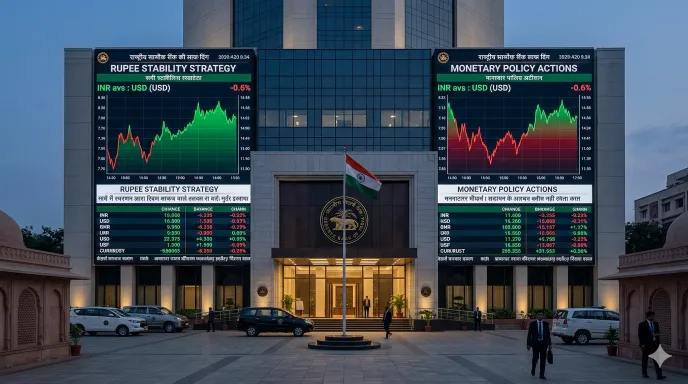
RBI വ്യക്തമായി നിലപാടെടുത്തു. രാജ്യത്തിനകത്തേക്കും പുറത്തേക്കുമുള്ള മൂലധനത്തിന്റെ സ്വതന്ത്രമായ ഒഴുക്ക് നിലനിർത്തുന്നതാണ് രാജ്യത്തിന്റെ പ്രയോറിറ്റി. നാണയപ്പെരുപ്പം നിയന്ത്രിക്കാനും സാമ്പത്തിക വളർച്ച സംരക്ഷിക്കാനുമാണ് പ്രയോറിറ്റി.രൂപയുടെ മൂല്യത്തെ കൃത്രിമമായി ഒരു സംഖ്യയിൽ പിടിച്ചുനിർത്താൻ താൽപര്യവുമില്ല! RBI അസന്നിഗ്ധമായി പറഞ്ഞു. അതിനർത്ഥം ഒന്നേയുള്ളൂ. രൂപയുടെ മൂല്യത്തിൽ മാറ്റങ്ങളുണ്ടാകും. ചിലപ്പോൾ… അത് താഴേക്ക് പോകും. 100 കടക്കും, അത് ഒരു ബലഹീനതയോ കുറവോ അല്ല. അതൊരു തന്ത്രമാണ്. കാരണം ചരിത്രം നമ്മെ ശക്തമായ പാഠങ്ങൾ പഠിപ്പിച്ചിട്ടുണ്ട്. ഏതൊരു രാജ്യമാണോ അവരുടെ കറൻസി മൂല്യം പിടിച്ചു നിർത്താൻ, സംരക്ഷിക്കാൻ സർവ്വതും പണയം വെച്ചത്, അവർ തങ്ങളുടെ വിദേശനാണ്യ ശേഖരം കത്തിച്ചുതീർത്തു, പലിശ നിരക്കുകൾ കുത്തനെ കൂട്ടി, ഒടുവിൽ… തകർന്നു തരിപ്പണമായി. ഇന്ത്യയ്ക്ക് അതോർമ്മയുണ്ട്.
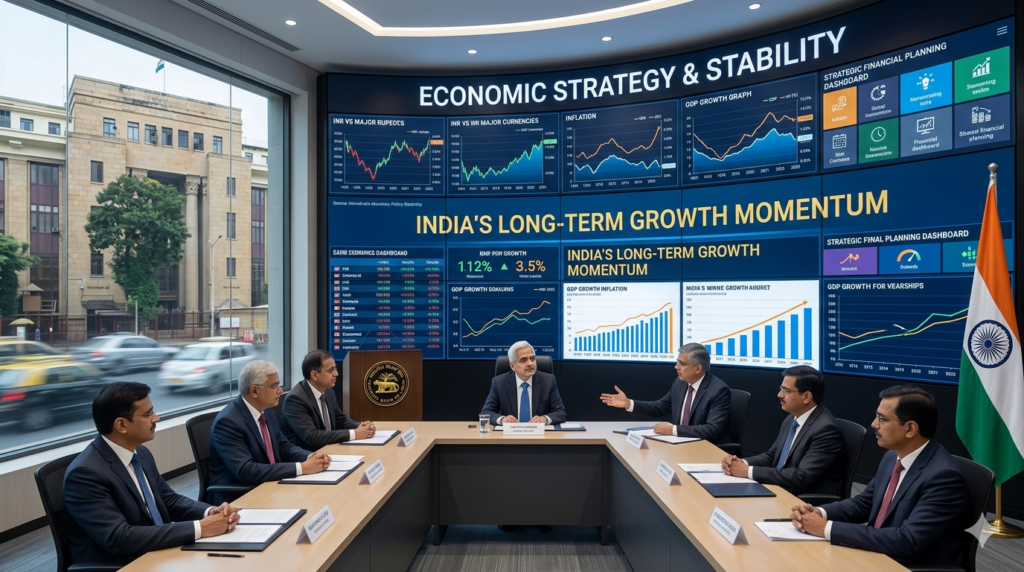
അമേരിക്കൻ ഫെഡറൽ റിസർവ്വിന്റെ തീരുമാനങ്ങളിൽ ലോകമാകെ എല്ലാ രാജ്യങ്ങളുടേയും കറൻസികൾ നിന്നുലയുമ്പോൾ, ഇന്ത്യൻ റുപ്പിയുടെ മൂല്യം- കേൾക്കാൻ സുഖമുള്ള ഒരു സംഖ്യയിൽ നിർത്തി പൊള്ളായായ നിലപാട് എടുക്കാൻ RBI തയ്യാറല്ല എന്ന് അർത്ഥം. രാജ്യത്തിന്റെയാകെ അഭിവൃദ്ധിയും വളർച്ചയും, മൊമന്റവും ഒട്ടും കുറയാതെ നിർത്താൻ ശ്രമിക്കുന്നു. ദീർഘകാലത്തേക്കുള്ള സുവ്യക്തമായ പദ്ധതികളുടെ ലക്ഷ്യം നേടാൻ തീരുമാനിച്ചിരിക്കുന്നു.
രൂപയുടെ മൂല്യം നിയന്ത്രണമില്ലാതെ ഇടിയുകയല്ല, മറിച്ച് പൂർണ്ണമായ നിയന്ത്രണത്തോടെ, അത് ചലിക്കുകയാണ്. കാരണം നമ്മുടെ പണത്തിന്റെ പേര് തന്നെ ചക്രമെന്നാണല്ലോ..
Over the past 50 years, the Indian Rupee has gradually weakened against the US Dollar, moving from 8 rupees per dollar in the 1970s to over 90 today—a trend influenced not by domestic policy alone but by global financial shifts, particularly decisions by the US Federal Reserve. When US interest rates rise, capital flows to the dollar, increasing rupee supply and lowering its value. This reflects the “Impossible Trilemma,” which states that a country can maintain only two of three goals at once: stable currency, free capital movement, and fixed interest rates. For India, prioritizing free capital flow and economic growth means the rupee cannot be artificially pegged. The RBI has taken a clear stance: currency value will fluctuate strategically, ensuring macroeconomic stability, growth, and long-term planning, while avoiding past global mistakes where rigid currency control led to crises. The rupee’s movement is deliberate, part of a controlled strategy to balance domestic growth, investor confidence, and global financial realities.
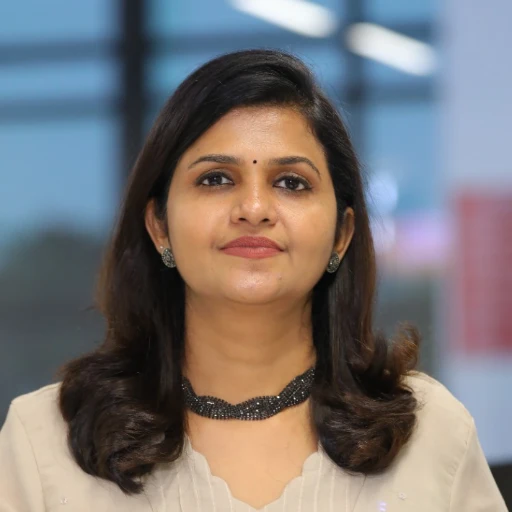
channeliam.com was founded by Nisha Krishnan, a journalist, media entrepreneur, and one of the pioneering voices in India’s digital startup journalism ecosystem. Through Channeliam, she built one of India’s earliest digital media platforms dedicated exclusively to startups, entrepreneurship, innovation, technology, and business transformation, creating a strong bridge between emerging entrepreneurs, investors, industries, and the larger public.
With more than two decades of experience in journalism and media leadership, Nisha Krishnan has consistently used storytelling as a powerful tool for social and economic impact. Her work has not only amplified the voices of startups and innovators from Kerala and across India but has also contributed to shaping public conversations around entrepreneurship, women-led enterprises, and the future economy.
Her contributions received international recognition when she was selected by the United States Department of State for the prestigious International Visitor Leadership Program (IVLP), one of the U.S. government’s premier professional exchange initiatives for global leaders. As part of this engagement, she participated in the Alumni Thematic International Exchange Seminar (TIES) held in Almaty, bringing together international changemakers, policy thinkers, and social impact leaders.
Inspired by the global exposure, policy discussions, and collaborative learning experiences from the international exchange programme, Nisha Krishnan conceptualised and launched “She Power” — a transformative initiative aimed at empowering women entrepreneurs, women in technology, startups, and aspiring women leaders in India.
She Power 1.0 and She Power 2.0 were implemented during 2020 and 2021 with the support of a grant facilitated through the U.S. State Department exchange initiative. Under her leadership, the project evolved into a multi-dimensional empowerment platform featuring workshops, startup mentoring sessions, training programmes, leadership interactions, summits, networking forums, hackathons, and entrepreneurship development activities designed specifically for women.
Through She Power, Nisha Krishnan created meaningful opportunities for women to access knowledge, mentorship, visibility, and entrepreneurial ecosystems at a time when women-led enterprises were navigating major social and economic challenges. The initiative reflected her larger vision of journalism – not merely as reporting but as a catalyst for empowerment, innovation, and inclusive growth.
Today, Nisha Krishnan continues to stand as a respected media founder, journalist, and ecosystem enabler whose work connects storytelling with nation-building, entrepreneurship with social impact, and media with meaningful transformation.