


നിങ്ങൾ പുറത്തുനിന്ന് സാധനങ്ങൾ ഉണ്ടാക്കി ഇങ്ങോട്ട് വിൽക്കേണ്ട, പകരം ഇന്ത്യയിൽ വന്ന് ഫാക്ടറി തുടങ്ങൂ, എന്നിട്ട് ഇവിടുന്ന് വിദേശത്തേക്ക് അയയ്ക്കാം.. വിദേശ കമ്പനികളെ ഇന്ത്യയിലേക്ക് ക്ഷണിച്ച്, ഇവിടെ ഫാക്ടറികൾ തുടങ്ങി, അവരുടെ ബ്രാൻഡഡ് പ്രൊഡക്റ്റുകൾ നിർമ്മിക്കാൻ പ്രോത്സാഹിപ്പിക്കുന്ന ഒരു പദ്ധതി! പദ്ധതിക്ക് മേയ്ക്ക് ഇൻ ഇന്ത്യ എന്ന് പേരിട്ടു. ഇത് ഇന്ത്യ തുടങ്ങുന്നത് പത്ത് വർഷം മുമ്പ്! അന്ന് ഇവിടുള്ള പലരും ഞെട്ടി.. എന്നിട്ട് പറഞ്ഞു- വെറുതെയാണ്, നടക്കില്ല എന്ന്. എന്താണ് സംഭവിച്ചത്? മൊബൈൽ ഫോൺ തന്നെയെടുക്കാം. 2014-ന് മുൻപ് നമ്മൾ ഉപയോഗിച്ചിരുന്ന 90% ഫോണുകളും ചൈനയിൽ നിന്നോ വിയറ്റ്നാമിൽ നിന്നോ ഇറക്കുമതി ചെയ്തവയായിരുന്നു. ഇന്ത്യയിൽ ആകെ രണ്ടേ രണ്ട് മൊബൈൽ ഫാക്ടറികൾ മാത്രം ഉണ്ടായിരുന്ന കാലം! ഒരു ദശാബ്ദം കഴിയുമ്പോൾ, മേയ്ക്ക് ഇൻ ഇൻഡ്യ എന്ത് മാറ്റമുണ്ടാക്കി? പറയാം. ഇന്ന് ആപ്പിൾ, സാംസങ് തുടങ്ങിയ വമ്പൻ ഫോൺ കമ്പനികളുടെ ഫാക്ടറികൾ ഇന്ത്യയിൽ പ്രവർത്തിക്കുന്നു, ഒന്നും രണ്ടും അല്ല, 200-ലധികം.. കേവലം 10 വർഷം കൊണ്ട്! ഈ ഫാക്ടറികളിലായി ലക്ഷക്കണക്കിന് ഇന്ത്യൻ യുവാക്കൾക്ക് ജോലി ലഭിച്ചു. ഇന്ന് ഇന്ത്യയിൽ വിൽക്കുന്ന 99.2% ഫോണുകളും ഇന്ത്യയിൽ നിർമ്മിച്ചവയാണ്. മാത്രമല്ല, നമ്മൾ മറ്റു രാജ്യങ്ങളിലേക്ക് ഫോണുകൾ കയറ്റുമതി ചെയ്യാനും തുടങ്ങി. ഈ കണക്കുകൾ ഇപ്പോൾ അമേരിക്കയുടെ വ്യാപാര അന്വേഷണ റിപ്പോർട്ടിലെത്തിയിരിക്കുന്നു. എന്താണ് കാരണം? ഫോൺ ഉൾപ്പെടയുള്ളവ, ഇന്ത്യ നിർമ്മിച്ചപ്പോൾ, അമേരിക്കൻ വ്യവസായ മേഖലയ്ക്ക് സമ്മർദ്ദമായി. അമേരിക്ക മൂന്ന് കാര്യങ്ങൾ തുറന്നുപറയുന്നു. ഇന്ത്യയിൽ അമേരിക്കൻ ഉൽപ്പന്നങ്ങളുടെ മാർക്കറ്റ് കുറഞ്ഞു. രണ്ട്, മറ്റ് രാജ്യങ്ങളിലേക്ക് അമേരിക്ക കയറ്റുമതി ചെയ്യുന്ന പ്രൊഡക്റ്റുകൾക്ക് ഇന്ത്യയിൽ നിന്ന് വരുന്ന പ്രൊഡക്റ്റുകളുമായി കടുത്ത മത്സരം നേരിടേണ്ടി വരുന്നു. മൂന്ന്, അമേരിക്കയിൽ തന്നെ നിലനിർത്താൻ ആഗ്രഹിക്കുന്ന ഫാക്ടറികളും തൊഴിലുകളും ഇന്ത്യ കൊണ്ടുപോകുന്നു. ഇതിന് കാരണം ഇന്ത്യയുടെ 3 സ്കീമുകളാണ്.. മേക്ക് ഇൻ ഇന്ത്യ പദ്ധതി, ആത്മനിർഭർ ഭാരത്, പ്രൊഡക്ഷൻ ലിങ്ക്ഡ് ഇൻസെന്റീവ് സ്കീം. കളി എവിടെയെത്തി എന്ന് മനസ്സിലായോ? ഇന്ത്യയുടെ ഉൽപ്പാദന നയങ്ങളും തീരുമാനങ്ങളും അമേരിക്കയെ പോലും ഉലയ്ക്കുന്നു.
എങ്ങനെയാണ് ഇന്ത്യയുടെ മൂന്ന് സ്കീമുകൾ ലോകമാർക്കറ്റിൽ ചലനം സൃഷ്ടിച്ചത്? ‘ആത്മനിർഭർ ഭാരത്’ തന്നെ ഉദാഹരണം. 2020 മെയ് 12-ന് പ്രധാനമന്ത്രി ‘ആത്മനിർഭർ ഭാരത്’ പ്രഖാപിച്ചക്കുമ്പോൾ ആഭ്യന്തര ഉൽപ്പാദനം വർദ്ധിപ്പിക്കുക, ഇറക്കുമതിയെ ആശ്രയിക്കുന്നത് കുറയ്ക്കുക, വ്യവസായങ്ങളെയും തൊഴിലാളികളെയും പിന്തുണയ്ക്കുക എന്നിവയായിരുന്നു ലക്ഷ്യം. ഇന്ന് 2.40 ലക്ഷം കോടി രൂപയുടെ യഥാർത്ഥ നിക്ഷേപം ആകർഷിക്കാനും ലക്ഷ്യമിട്ടതിനേക്കാൾ 22 ലക്ഷം കോടി രൂപയുടെ അധിക ഉൽപ്പാദനവും വിൽപ്പനയുംകൈവരിക്കാനും സാധിച്ചു.
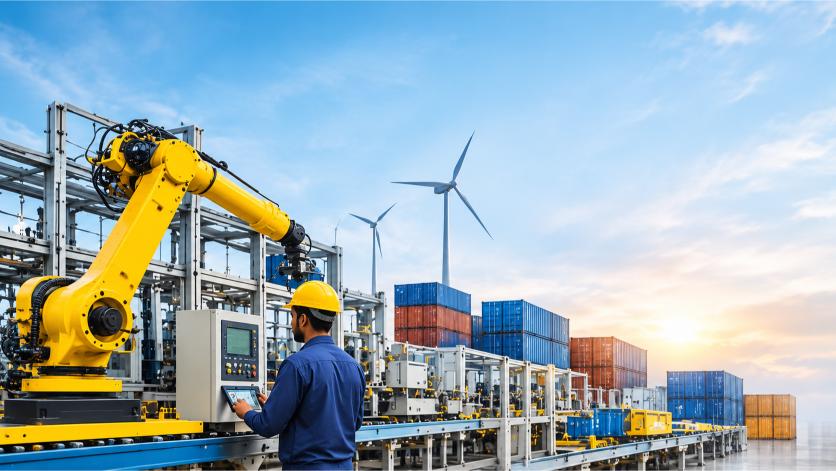
അത്മനിർഭർ ഭാരത് സ്കീമിലാണ്, വന്ദേ ഭാരത് ട്രെയിനും പ്രതിരോധ ആയുധങ്ങളും ഇന്ന് ഇന്ത്യ ഇവിടെ നിർമ്മിക്കുന്നത്. നമുക്ക് ആവശ്യമുള്ള ഏറ്റവും മികച്ച സാങ്കേതികവിദ്യയും സാധനങ്ങളും നമ്മുടെ നാട്ടിൽ തന്നെ, റ്റൊരു രാജ്യത്തെയും ആശ്രയിക്കാതെ, സ്വന്തമായി നിർമ്മിക്കുന്ന രീതി എങ്ങനെയാണ് ഇത്ര കൃത്യമായി പ്രവർത്തിച്ചത്? പണ്ട് അതിവേഗ ട്രെയിനുകൾക്കോ യുദ്ധവിമാനങ്ങൾക്കോ വേണ്ടി നമ്മൾ യൂറോപ്പിനെയോ റഷ്യയെയോ അമേരിക്കയെയോ കാത്തിരിക്കണമായിരുന്നു. കോടിക്കണക്കിന് രൂപയാണ് ഇതിനായി വിദേശത്തേക്ക് ഒഴുകിയിരുന്നത്. ഇന്ന് ചെന്നൈയിലെ ഇന്റഗ്രൽ കോച്ച് ഫാക്ടറിയിൽ രൂപകൽപ്പന ചെയ്ത് നിർമിച്ച വന്ദേ ഭാരത് ഓടുന്നു. ഇന്ത്യയുടെ ആഭ്യന്തര നിർമാണശേഷിയുടെ ഉദാഹരണമാണ് അത് അതുപോലെ, പണ്ട് 70% ആയുധങ്ങളും ഇറക്കുമതി ചെയ്തിരുന്ന ഇന്ത്യ, ഇന്ന് സ്വന്തമായി യുദ്ധവിമാനങ്ങളും മിസൈലുകളും നിർമ്മിക്കുകയും 100-ലധികം രാജ്യങ്ങളിലേക്ക് ആയുധങ്ങൾ കയറ്റുമതി ചെയ്യുകയും ചെയ്യുന്നു. ഇതാണ് പ്രശ്നം. 60 വർഷത്തോളം വലിയ സ്വപ്നങ്ങൾ കാണാനാകാതെ മയങ്ങിക്കിടന്ന ഒരു രാജ്യം പതിയെ അതിന്റെ ശക്തി തിരിച്ചറിയുന്നത് പലരേയും അസ്വസ്ഥ പെടുത്തുന്നു.
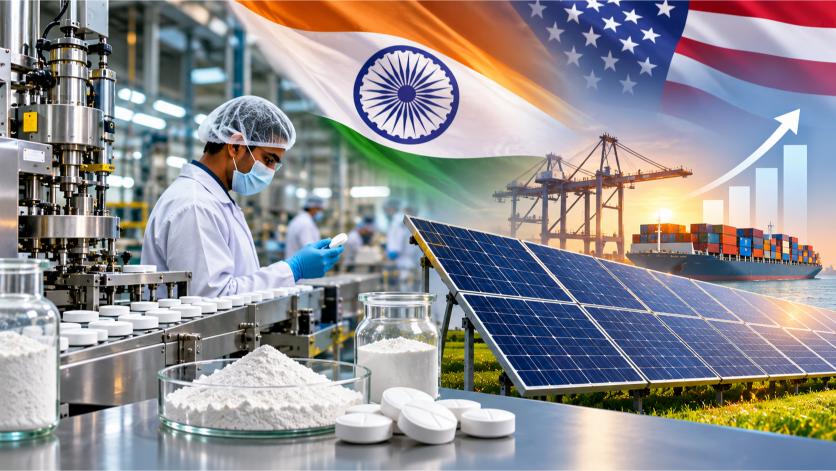
ഇനി അമേരിക്കയുടെ ഉറക്കം കെടുത്തുന്ന ‘പ്രൊഡക്ഷൻ ലിങ്ക്ഡ് ഇൻസെന്റീവ്’ അഥവാ PLI സ്കീം എന്താണെന്ന് പറയാം. വെറുതെ കുറെ ഫാക്ടറികൾ തുടങ്ങിയാൽ വികസനം വരില്ല എന്ന് മനസിലാകുന്നവർ നേതൃത്വത്തിൽ വന്നതോടെ, കൂടുതൽ സാധനങ്ങൾ ഉൽപ്പാദിപ്പിക്കുകയും വിൽക്കുകയും ചെയ്യുന്ന കമ്പനികൾക്ക് സർക്കാർ അങ്ങോട്ട് ക്യാഷ് ബാക്ക് നൽകുന്ന കിടിലൻ തന്ത്രം യാഥാർത്ഥ്യമായി. നിങ്ങൾ കൂടുതൽ ഉൽപ്പാദിപ്പിക്കൂ, സർക്കാർ നിങ്ങൾക്ക് പണം തരാം എന്ന ലൈൻ! എങ്ങനെ പ്രവർത്തിച്ചു? പാരസെറ്റമോൾ പോലുള്ള സാധാരണ മരുന്നുകൾ ഉണ്ടാക്കാനുള്ള അസംസ്കൃത വസ്തുക്കൾക്ക് പോലും ഇന്ത്യ പതിറ്റാണ്ടുകളായി ചൈനയെയാണ് ആശ്രയിച്ചിരുന്നത്. കോവിഡ് വന്നപ്പോൾ ചൈന ഇത് തടഞ്ഞതോടെ ഇന്ത്യ പ്രതിസന്ധിയിലായി. PLI പദ്ധതിയിലൂടെ സർക്കാർ കമ്പനികൾക്ക് സാമ്പത്തിക പ്രോത്സാഹനം നൽകിയതോടെ, മുൻപ് ചൈനയിൽ നിന്ന് ഇറക്കുമതി ചെയ്തിരുന്ന 40-ലധികം നിർണ്ണായക മരുന്ന് ഘടകങ്ങൾ ഇന്ന് ഇന്ത്യയിൽത്തന്നെ ഉൽപ്പാദിപ്പിക്കാൻ തുടങ്ങി. സോളാർ പാനലുകളുടെ കാര്യത്തിലും ഇതേ മാറ്റമുണ്ടായി. ഇന്ത്യയുടെ ഈ മാറ്റവും, ചടുലമായ നീക്കവും, വളർച്ചയും കണ്ട് പേടിച്ചിട്ടാണ്, “ഇന്ത്യൻ സാധനങ്ങൾക്ക് 25% നികുതി കൂട്ടും” എന്ന് അമേരിക്ക ഇപ്പോൾ ഭീഷണിപ്പെടുത്തുന്നത്! അമേരിക്ക ഇന്ത്യയിലേക്ക് കയറ്റുമതി ചെയ്യുന്നതിനേക്കാൾ ഇന്ത്യ അമേക്കയിലേക്ക് ഇറക്കുമതി ചെയ്യുന്നു. കഴിഞ്ഞ 10 വർഷത്തിനിടെ അമേരിക്കയിലേക്കുള്ള ചരക്ക് ഇറക്കുമതി ഇന്ത്യ വർദ്ധിപ്പിച്ചത് 100 ബില്യൺ ഡോളറാണ്, അതായത് എട്ടര ലക്ഷം കോടി രൂപ. ചുരുക്കത്തിൽ ഇന്ത്യ ശരിയായ ദിശയിൽ തന്നെയാണ് മുന്നോട്ട് പോകുന്നത് എന്നതിന് ഇതിൽപ്പരം തെളിവ് വേണോ?
India’s manufacturing landscape has undergone a significant transformation through three major government initiatives – Make in India, Atmanirbhar Bharat and the Production Linked Incentive (PLI) Scheme. These initiatives have strengthened domestic production, reduced import dependency, attracted foreign investment, generated employment and boosted exports across sectors such as electronics, pharmaceuticals, renewable energy, railways and defence. From global smartphone manufacturers establishing factories in India to indigenous technological innovations and the domestic production of critical pharmaceutical ingredients, the country is emerging as a competitive manufacturing hub. The article explores how these strategic policies are reshaping global trade dynamics, intensifying competition with established economies such as the United States and strengthening India’s position in the global market.
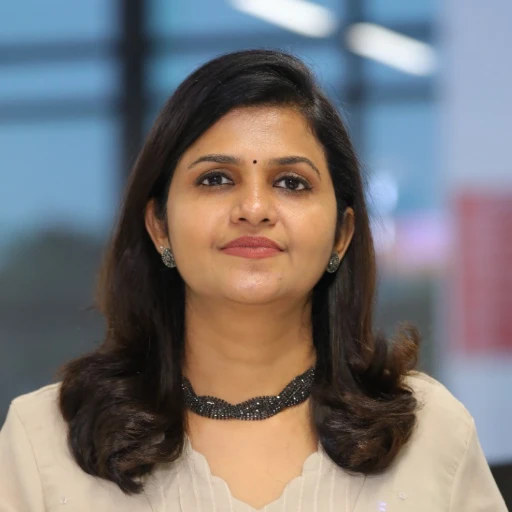
channeliam.com was founded by Nisha Krishnan, a journalist, media entrepreneur, and one of the pioneering voices in India’s digital startup journalism ecosystem. Through Channeliam, she built one of India’s earliest digital media platforms dedicated exclusively to startups, entrepreneurship, innovation, technology, and business transformation, creating a strong bridge between emerging entrepreneurs, investors, industries, and the larger public.
With more than two decades of experience in journalism and media leadership, Nisha Krishnan has consistently used storytelling as a powerful tool for social and economic impact. Her work has not only amplified the voices of startups and innovators from Kerala and across India but has also contributed to shaping public conversations around entrepreneurship, women-led enterprises, and the future economy.
Her contributions received international recognition when she was selected by the United States Department of State for the prestigious International Visitor Leadership Program (IVLP), one of the U.S. government’s premier professional exchange initiatives for global leaders. As part of this engagement, she participated in the Alumni Thematic International Exchange Seminar (TIES) held in Almaty, bringing together international changemakers, policy thinkers, and social impact leaders.
Inspired by the global exposure, policy discussions, and collaborative learning experiences from the international exchange programme, Nisha Krishnan conceptualised and launched “She Power” — a transformative initiative aimed at empowering women entrepreneurs, women in technology, startups, and aspiring women leaders in India.
She Power 1.0 and She Power 2.0 were implemented during 2020 and 2021 with the support of a grant facilitated through the U.S. State Department exchange initiative. Under her leadership, the project evolved into a multi-dimensional empowerment platform featuring workshops, startup mentoring sessions, training programmes, leadership interactions, summits, networking forums, hackathons, and entrepreneurship development activities designed specifically for women.
Through She Power, Nisha Krishnan created meaningful opportunities for women to access knowledge, mentorship, visibility, and entrepreneurial ecosystems at a time when women-led enterprises were navigating major social and economic challenges. The initiative reflected her larger vision of journalism – not merely as reporting but as a catalyst for empowerment, innovation, and inclusive growth.
Today, Nisha Krishnan continues to stand as a respected media founder, journalist, and ecosystem enabler whose work connects storytelling with nation-building, entrepreneurship with social impact, and media with meaningful transformation.